Precision Compression Plate Molds for Ukraine Market
As a specialized manufacturer of compression plate molds, we have established a strong reputation in delivering high-precision tooling solutions for protective plate production. Our recent expansion into the Ukrainian market represents a significant milestone in our international growth strategy, addressing the growing demand for quality protective equipment in the region.
Table of Contents
ToggleUnderstanding the Product: Protective Compression Plates
Compression plates serve as critical protective components across multiple industries, including defense, security, automotive, and industrial safety sectors. These plates are engineered to absorb impact, resist penetration, and provide structural integrity under extreme conditions. The manufacturing of such protective plates demands exceptional precision, as even minor dimensional deviations can compromise the protective performance and end-user safety.
Our compression plate molds are designed to produce protective plates that meet stringent international standards. Whether for ballistic vests, vehicle armor, or industrial safety equipment, our plate molds ensure consistent wall thickness, precise curvature, and optimal material distribution—factors that directly influence the protective capabilities of the final product.
Key Design Considerations for Compression Plate Mold Structure
Cavity structure
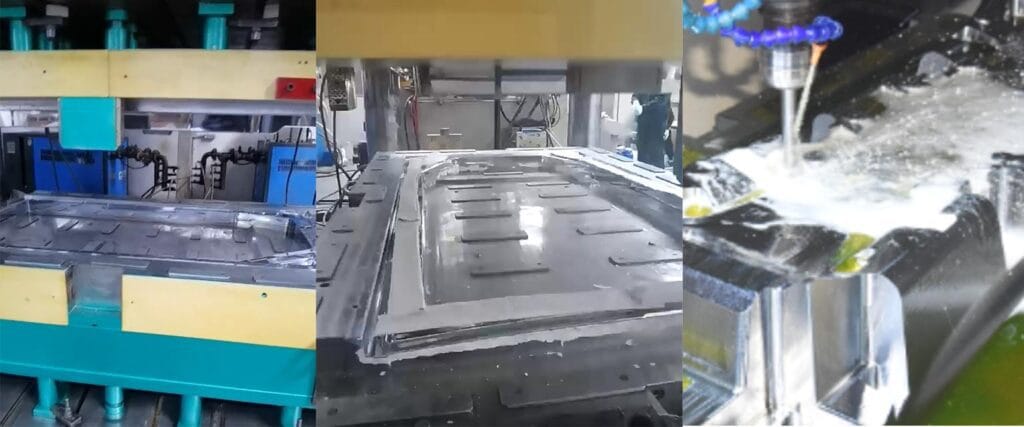
- Feeding Chamber Design: Unlike injection molds, compression molding dies must have a feeding chamber above the mold cavity to hold the preheated raw material.
- Cavity Composition: Composed of a punch, core, and cavity, ensuring the accuracy of the protective plate’s contour.
- Parting Surface Design: Employing a zero-flash design and high-precision machining of mating surfaces, preventing overflow from affecting the edge quality of the protective plate.
Heating and cooling systems
Heating methods: electric heating, oil heating, or steam heating. Mold operating temperature is set according to material properties:
- PE/UD bulletproof plate: 125℃±5℃
- SMC/BMC composite material: 125℃-170℃
- Thermoplastic bulletproof plate: 130℃ heat preservation and pressure holding
Cooling system: Rapid switching to cooling mode is required in the later stages of molding to ensure the product sets to the set temperature and material hardness.
Temperature uniformity: Utilizing a distributor and siphon technology, the temperature is rapidly and evenly heated to the molding temperature.
Guiding and Ejection Mechanism
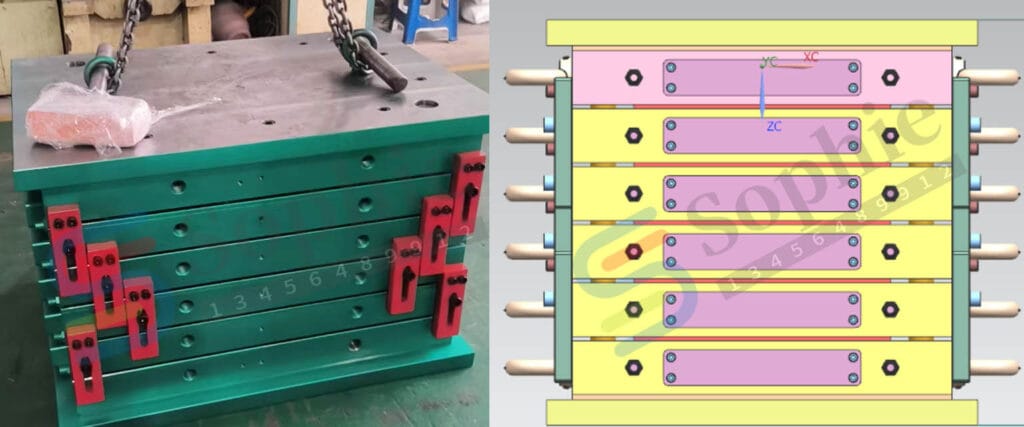
Guiding System: Precision guide pillars and bushings ensure mold closing accuracy.
Ejection Device: Large molds utilize hydraulic cylinders as power sources, equipped with cylinder synchronizers to ensure consistent and stable operation of all cylinders.
Segmented Pressurization: Segmented pressurization and heating are achieved on a single mold, with the heated mold switching to a cooling mold in the final molding stage.
Technical Excellence in Mold Design
Our specialization in protective plate mold manufacturing enables us to offer distinct technical advantages. Each compression plate mold undergoes rigorous engineering analysis, including finite element analysis (FEA) to predict material flow, cooling efficiency, and structural durability. We utilize premium-grade mold steels such as P20 and 718H, heat-treated to HRC 40-48.
The mold cavities feature mirror-polished surfaces with Ra≤0.05μm finish, eliminating surface defects on protective plates. Our advanced cooling system designs, including conformal cooling channels where applicable, ensure uniform temperature distribution during the compression molding process. This temperature consistency prevents warping, residual stress, and dimensional instability in protective plates—critical defects that could impair protective performance.
Key process parameters
1. Temperature Control
- Mold Preheating: 125℃-170℃ (depending on material type)
- Temperature Control: Within ±2℃ to ensure no degradation of material properties
- Temperature Monitoring: Temperature sensors are inserted on the upper and lower surfaces and in the middle of the blank to monitor temperature distribution in real time.
2. Pressure Control
- Molding Pressure: 15-25MPa (hot pressing)
- Mold Closing Pressure: 20-30MPa for trial molding and adjustment
- Stage Pressing: Pressurization is applied in stages according to the material flow characteristics to ensure uniform density.
3. Time Control
- Heating and Pressing Time: 8-12 minutes (PE bulletproof plate), 30-60 minutes (high-strength composite materials)
- Rapid Prototyping Process: By optimizing the thermal conductivity of the adhesive, pressing time can be shortened by approximately 65%.
The core of protective compression plate mold lies in precise temperature control and uniform pressure distribution, which directly affect the density uniformity and protective performance of the protective plate. It is recommended to use a mold temperature controller linked with a chiller for precise temperature management of the finished product.
Technical Support and Collaboration
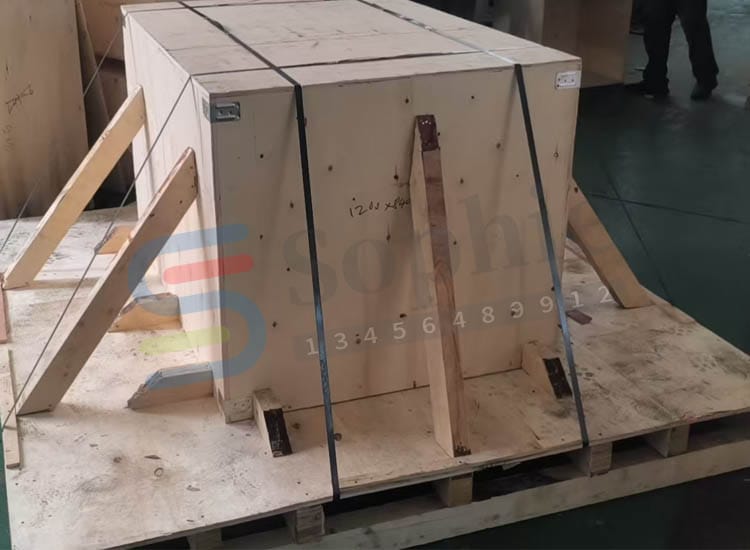
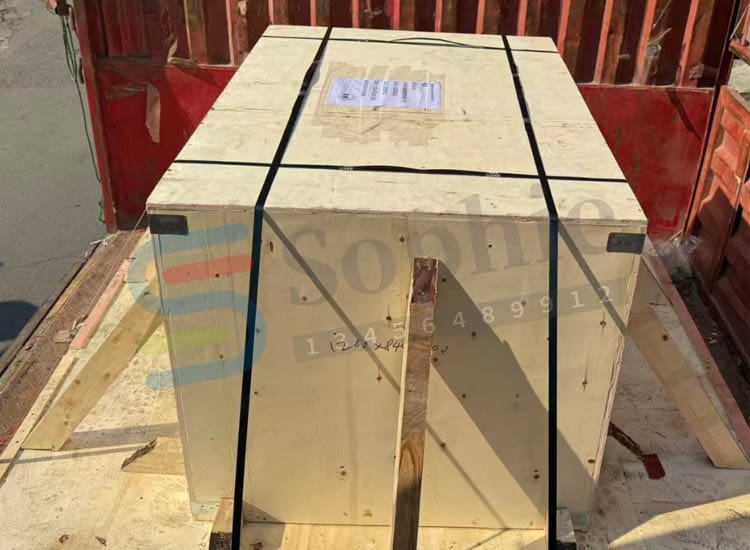
Successful mold export extends beyond physical delivery. We provide Ukrainian clients with comprehensive technical support, including installation supervision, operator training, and process optimization guidance. Our engineering team offers remote diagnostic capabilities and can deploy specialists to Ukrainian manufacturing facilities when required.
We recognize that protective plate manufacturing often involves proprietary techniques and specific material formulations. Our collaborative approach involves detailed pre-export consultations to understand client-specific requirements, ensuring the compression plate mold configuration aligns with their production environment and target applications.
Market Outlook and Commitment
The Ukrainian market presents substantial opportunities for protective equipment manufacturing infrastructure development. Our commitment to this market is demonstrated through our investment in understanding local regulatory frameworks, establishing reliable logistics partnerships, and adapting our technical documentation to support Ukrainian language requirements where necessary.
As specialized compression plate mold manufacturers, we view our Ukrainian partnerships as long-term collaborative relationships. We continuously refine our mold designs based on field performance feedback, ensuring our Ukrainian clients maintain competitive manufacturing capabilities in the protective equipment sector.