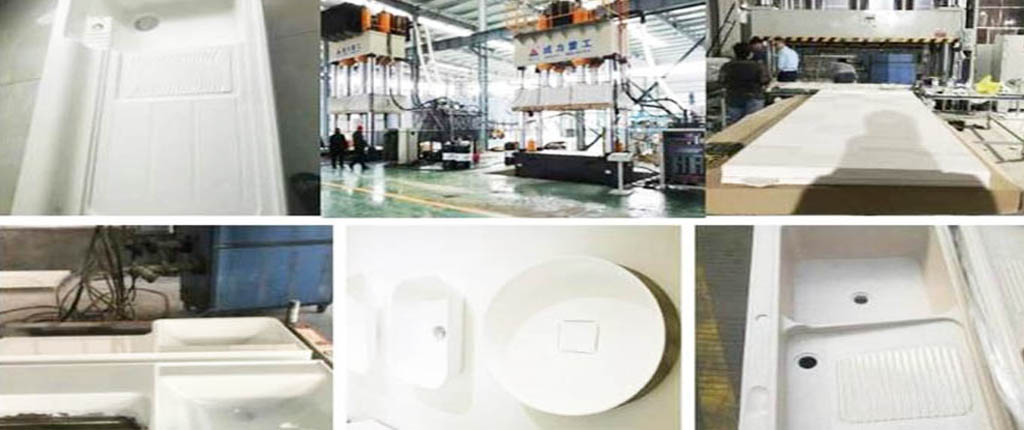

In the realm of modern construction and industrial manufacturing, the use of Fiber Reinforced Polymer (FRP) materials has revolutionized the way we build and design structures. One such application that stands out is the FRP Well House Mould. These compression moulds are not just tools; they are the backbone of creating durable, long-lasting, and highly efficient well houses that protect and house essential water well components.
Table of Contents
ToggleUnderstanding FRP Well House Moulds
FRP Well House Moulds are specifically designed to create well houses using FRP materials. These moulds are crafted to ensure that the final product is not only strong and corrosion-resistant but also lightweight and easy to install,it is compression molding technology. Utilizing FRP materials for constructing well houses presents numerous benefits compared to conventional materials such as concrete and steel. FRP is highly resistant to chemical attacks, has excellent mechanical properties, and requires minimal maintenance


FRP mold technology is crucial for the mass production of FRP products. FRP materials are highly versatile and durable, making them suitable for various applications in homes, workplaces, roads, and beyond. FRP profiles can significantly reduce indoor heating costs by minimizing heat loss. Additionally, FRP sashes and doors are effective in reducing heat loss. Fiberglass pool manufacturers often offer lifetime warranties on their products. FRP is also an ideal material for vehicle repair and can be used to manufacture replacement body parts.
When subjected to the right conditions, glass fibers become highly malleable at high temperatures when properly combined with resin. This malleability is essential for the initial molding process. As the resin and fiber cool down, they form an exceptionally strong composite material. The high strength properties of glass fibers make them particularly suitable for applications such as doors, ships, and storage facilities for heavy materials.
The Role of Compression Molding
Compression molding is a crucial process in the creation of FRP Well House Moulds. This technique involves placing the FRP material into a heated mould and applying significant pressure to shape and cure the material. The process is highly efficient and allows for the production of complex shapes with high precision. Compression molding ensures that the final product has a low void content and a high fiber volume fraction, resulting in a near net shape finished component
SMC and BMC in FRP Moulds
Sheet Molding Compound (SMC) and Bulk Molding Compound (BMC) are two common materials used in the compression molding process for FRP Well House Moulds. SMC is known for its ability to produce large, complex parts with high mechanical strength, while BMC is ideal for smaller, intricate components. Both materials offer excellent electrical insulation properties and are highly resistant to moisture and chemicals
The Process of Creating FRP Well House Moulds
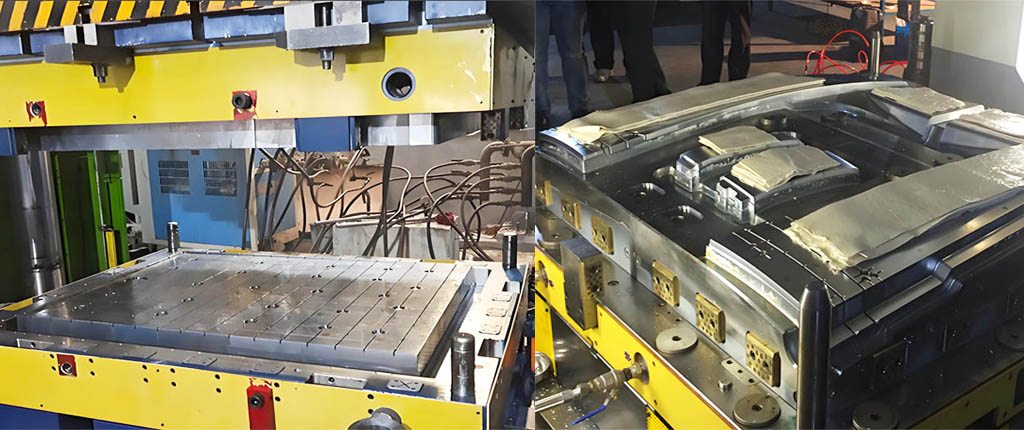
Creating an FRP Well House Mould involves several steps. First, the mould is designed using advanced CAD software to ensure precision and accuracy. The mould is then manufactured using high-quality steel or other durable materials. Once the mould is ready, the FRP material, either SMC or BMC, is placed into the mould cavity. The mould is closed, and pressure is applied while the material is heated to cure.
To create an FRP mold, a master mold (an exact replica of the desired product) is essential. Applying a gel coat to the master mold is a key step, and using a lubricant is crucial for easy detachment of the mold from the master. Typically, waxy materials are used as lubricants, which cause minimal damage to the mold during removal.
Before using the fiberglass mold, air bubbles must be removed with a roller to ensure mold strength and prevent product deformation. Glass fiber layers are applied to enhance strength, and once the resin solidifies, the mold can be removed using a wedge.
FRP molds serve as the foundation for producing solid products. After creating a product, additional molds can be made for mass production. The main challenge is automating the release of finished products from the FRP mold.

Applications and Advantages
FRP Well House Moulds are used in a variety of applications, from residential water wells to large-scale industrial water management systems. The advantages of using FRP Well House Moulds are numerous. They offer high durability, resistance to environmental factors, and a long service life. Additionally, the lightweight nature of FRP makes installation easier and more cost-effective
Future Trends
As technology advances, the use of FRP materials and compression molding techniques will continue to grow. Innovations in material science and manufacturing processes will lead to even more efficient and sustainable solutions for well house construction. The future of FRP Well House Moulds looks promising, with potential applications in smart water management systems and renewable energy projects.
Conclusion
In conclusion, FRP Well House Moulds are a testament to the power of modern composite materials and advanced manufacturing techniques. They offer a sustainable, durable, and efficient solution for protecting and housing essential water well components. As we move forward, the continued development and application of FRP materials will undoubtedly play a crucial role in shaping the future of construction and engineering.