Understanding Compression Moulding
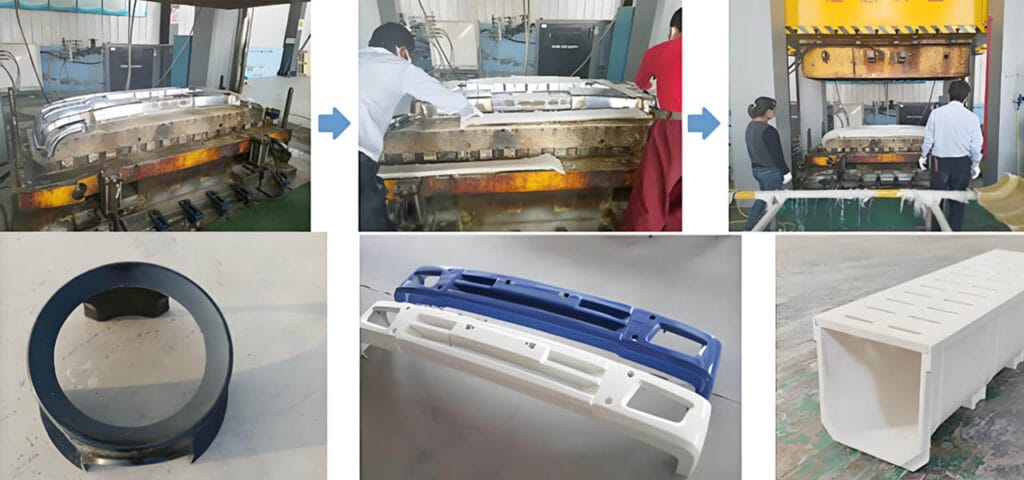
A compression mould tooling serves as a crucial tool within the compression molding technique, a prevalent manufacturing approach utilized for crafting composite components. This process entails positioning preheated substances, like SMC (Sheet Molding Compound), BMC (Bulk Molding Compound), or additional thermoset materials, inside a heated mold cavity, followed by the application of pressure to both form and cure the material.
Industries such as automotive, electrical, construction, and aerospace heavily rely on compression molds to produce parts that are lightweight, robust, and capable of withstanding high temperatures.
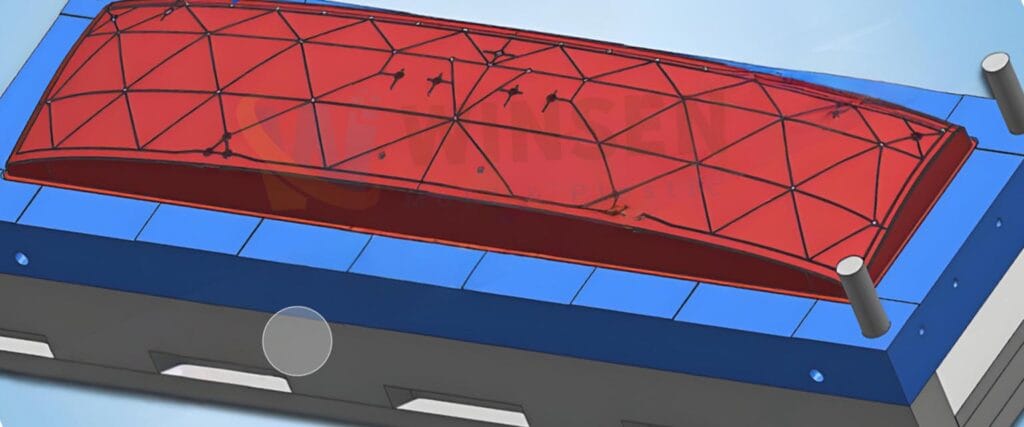
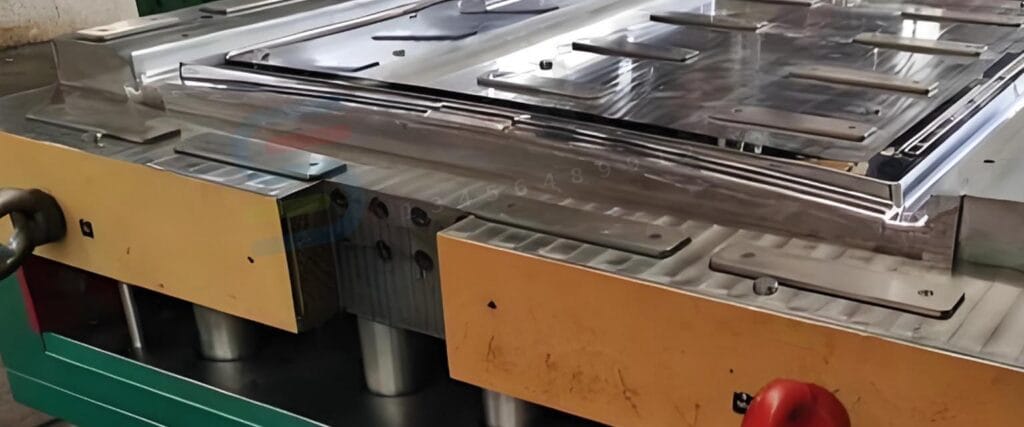
Compression Mould's Structure
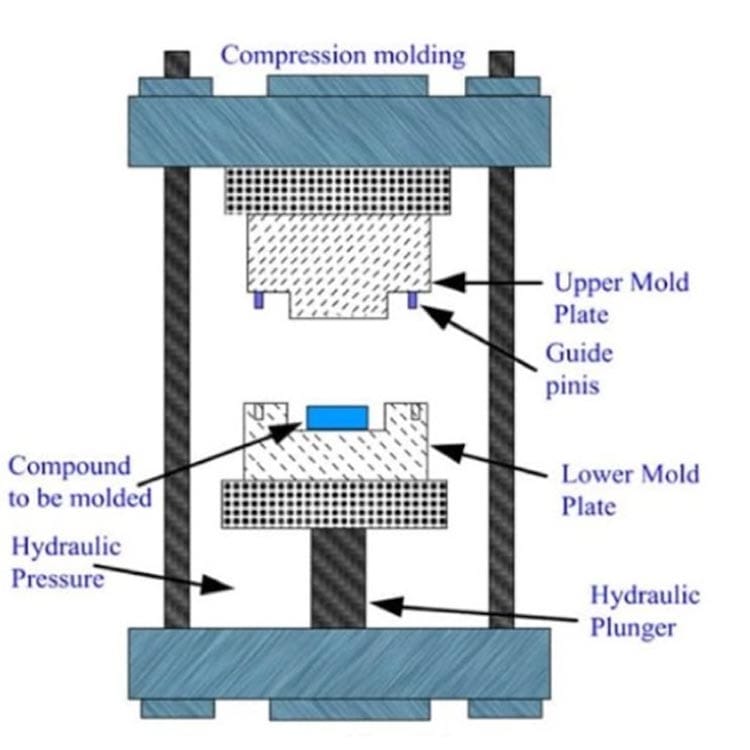
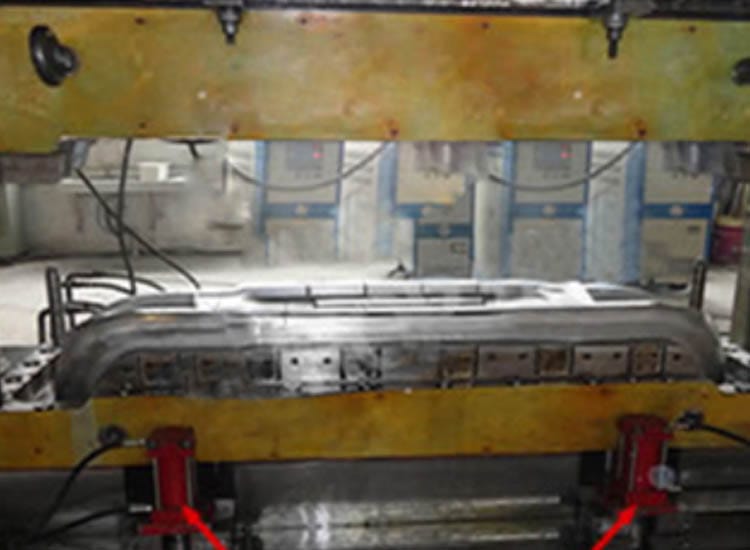
A standard compression mold is composed of two primary sections: the cavity and the core. Additionally, it may feature several other components:
- Heating systems: These are used to sustain the necessary temperature for the curing process.
- Guide pins and bushings: These ensure precise alignment of the mold during operation.
- Ejection mechanisms: These facilitate the removal of the molded part once it has been cured.
- Vacuum systems: These help remove gases and enhance surface quality.
Depending on the specific requirements of the application, compression molds can be constructed from materials such as hardened steel, aluminum, or other high-strength alloys. To further improve the mold’s durability and facilitate part release, surface treatments like chrome plating may be applied.
Compression moulding is a manufacturing process that has revolutionized the production of high-quality, durable, and complex parts across various industries. From automotive components to aerospace parts, and from consumer electronics to medical devices, compression moulding plays a crucial role in shaping the modern world. In this blog, we will delve into the intricacies of compression moulding, exploring its benefits, applications, and the technology behind it.
The Basics of Compression Moulding
Compression moulding is a process where a pre-measured amount of material, typically a thermosetting plastic, is placed into a heated mould cavity. The mould is then closed, and pressure is applied to force the material to flow and fill the mould cavity. The heat and pressure cause the material to cure, transforming it from a pliable state to a solid, finished part. This process is particularly effective for producing large, complex parts with high precision and consistency.
Advantages of Compression Molding
Despite its benefits, compression molding has limitations, such as:
Table of Contents
Toggle- Cost-Effectiveness and Material Efficiency: Compression molding is one of the lowest-cost options for molding complex composite parts, and there is very little wasted material, making it ideal for working with expensive compounds.
- Control Over Parameters: The process allows tight control over the resin content, fiber orientation, and other main parameters, resulting in a finished product with excellent mechanical properties and high consistency.
- High-Volume Production: It is most effective for complex glass fiber-reinforced polymer products and is a high-volume, high-pressure process with a quick cycle time.
- Complex Part Design: Capable of producing complex shapes and designs that might be challenging with other molding methods.
- Excellent Surface Finish: Parts produced have a superior surface finish, reducing the need for post-processing.
- Material Versatility: Compatible with a wide range of thermoset plastics and composites, offering flexibility in material selection.
How is Compression Molding works
The typical compression molding process involves the following steps:
- Material Placement: The composite material is placed into the open mold cavity.
- Preheating: The material is often preheated to enhance flow and reduce cycle time.
- Pressing: The mold is closed, and pressure is applied using a hydraulic press.
- Curing: The material is subjected to heat and pressure until it is fully cured.
- Part Removal: The press opens, and the finished part is removed from the mold.
This method is ideal for high-volume production of components with complex shapes and superior mechanical properties.
Applications of Compression Mould
Compression molds play a vital role in producing a wide range of thermoset and composite components, such as:
- Automotive Components: Electric vehicle battery casings, trunk panels, bumpers, and engine splash guards.
- Electrical Components: Insulators, switchgear, and fuse boxes.
- Construction Materials: SMC ceilings, wall panels, and water storage tanks.
- Sanitary Products: SMC bathroom panels and bathtubs.
Due to their exceptional strength-to-weight ratio, compression-molded parts are increasingly replacing traditional metal and thermoplastic components in various structural and semi-structural applications.
Advantages of Compression Molding
Compression molding provides numerous advantages that make it a preferred choice for many manufacturers:
- Strength and Durability: Parts produced through compression molding, especially those using fiber-reinforced composites, exhibit high strength and long-lasting performance.
- Cost-Effective Tooling: Compared to injection molding, compression molding often involves lower tooling costs, making it more accessible for a variety of production scales.
- Material Efficiency: This process minimizes material waste and scrap, contributing to cost savings and sustainability.
- Superior Surface Quality: Compression molding can achieve excellent surface finishes, suitable even for Class-A automotive parts that require high aesthetic standards.
- Versatility in Design: The process accommodates large and complex shapes, offering flexibility in product design.
For manufacturers aiming for consistent and reliable performance, compression molding with precision molds stands out as an excellent option.
SMC Mold vs. BMC Mold
SMC (Sheet Molding Compound) molds and BMC (Bulk Molding Compound) molds are both utilized in compression molding, yet they have distinct characteristics:
- SMC Mold: Tailored for sheet-like materials, it is well-suited for crafting larger structural components.
- BMC Mold: Designed for bulk materials with a dough-like consistency, it excels in producing smaller or more intricate parts.
The selection of the appropriate mold hinges on the specific geometry, performance criteria, and surface finish requirements of the end product.

The Future of Compression Moulding
As technology continues to advance, compression moulding is poised to become even more efficient and precise. Innovations in material science, mould design, and equipment are driving improvements in part quality, production speed, and cost-effectiveness. The integration of automation and advanced control systems is also enhancing the capabilities of compression moulding, making it an even more attractive option for modern manufacturing.
Compression moulding is a powerful manufacturing process that offers a unique combination of precision, strength, and versatility. Its ability to produce high-quality, durable parts makes it an essential tool in various industries. Whether you are looking to manufacture automotive components, aerospace parts, or medical devices, compression moulding provides a reliable and cost-effective solution. As technology continues to evolve, the future of compression moulding looks promising, with ongoing advancements set to further enhance its capabilities and applications.