Advanced Autoclave Molding for Carbon Fiber Composites
The demand for high-performance materials in various industries, including aerospace, automotive, and sports equipment, has led to the rise of carbon fiber composites manufacturing. Among the different manufacturing processes available for carbon fiber products, autoclave molding stands out due to its ability to produce parts with exceptional strength, precision, and quality. In this blog, we will explore the carbon fiber autoclave molding,it has a little different from compression molding process, its benefits, applications, and the future outlook for this advanced technology.
Table of Contents
Toggle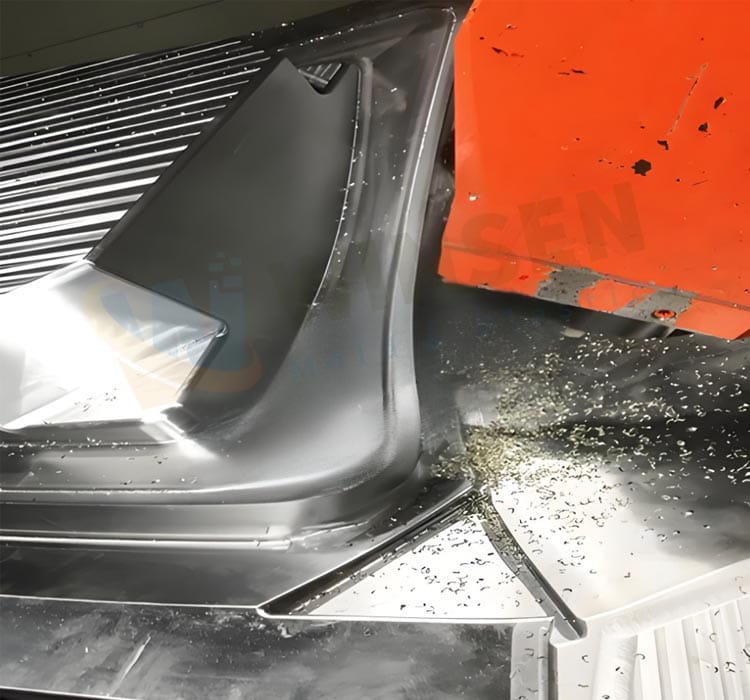
What is Carbon Fiber Autoclave Molding
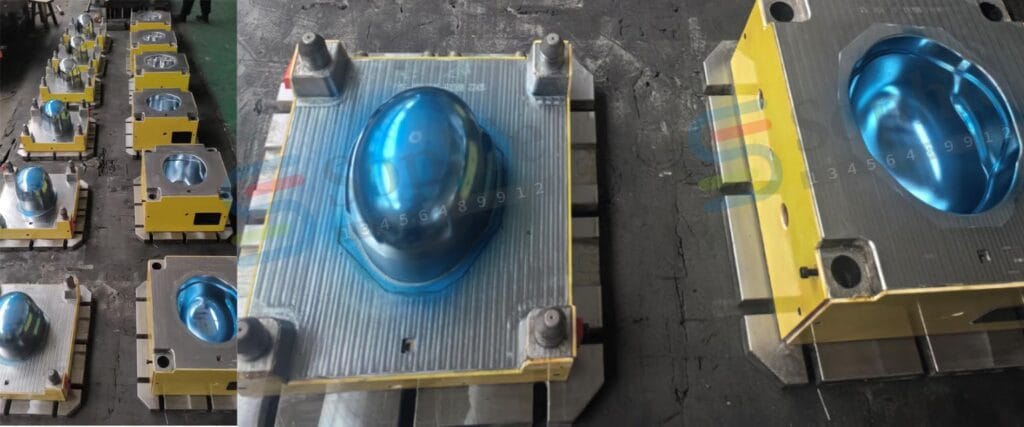
Carbon fiber autoclave molding is a manufacturing process used to cure and consolidate pre-impregnated carbon fiber materials (also known as prepregs) under high temperature and pressure,it’s similar to compression molding. The autoclave is a large, pressure vessel designed to facilitate this curing process. The process involves placing the prepreg material in a mold, which is then placed inside the autoclave. The autoclave applies heat and pressure to the mold, causing the resin in the prepreg to cure and form a solid composite part.We are professional Carbon fiber autoclave mold maker in China.
Advantages of Carbon fiber autoclave molding
The carbon fiber autoclave molding process uses gas pressurization. Pressure is applied to the surface of the part through a vacuum bag, creating a uniform normal pressure at all points, allowing the part to cure under uniform pressure. A circulating hot air flow within the autoclave heats the workpiece, minimizing temperature differences. A cooling system ensures that the temperature is strictly controlled within the process range. Overall, carbon fiber autoclave molding offers the following advantages:
- 1. Uniform pressure
- 2. Uniform, adjustable, and controllable temperature
- 3. Wide application range
- 4. Stable and reliable molding process
Carbon fiber autoclave molding is widely used in aerospace, military, rail transportation, vehicles, and sporting goods.
The Process of Carbon Fiber Autoclave Molding
The carbon fiber autoclave molding process can be broken down into several key steps:
- Prepreg Preparation: The carbon fiber material is pre-impregnated with resin in a process called prepregging. This material is then rolled or cut into the shape required for the final product.
- Mold Preparation: The mold, typically made from metal or other high-temperature-resistant materials, is prepared by applying release agents and ensuring it is clean and free of defects.
- Lay-Up: The prepreg material is carefully laid into the mold in the desired orientation. This step is critical as it affects the final part’s strength and performance.
- Vacuum Bagging: A vacuum bag is placed over the lay-up to remove air and ensure that the prepreg is in close contact with the mold surface.
- Autoclave Curing: The mold is then placed in the autoclave, where it is subjected to high temperature and pressure. This process forces the resin to cure and the fibers to consolidate into a solid part.
- Post-Cure and Demolding: After the curing cycle is complete, the part is removed from the autoclave and allowed to cool. It is then demolded and any excess material is trimmed away.
- Inspection and Quality Control: The finished part undergoes rigorous inspection to ensure it meets the required specifications and quality standards.
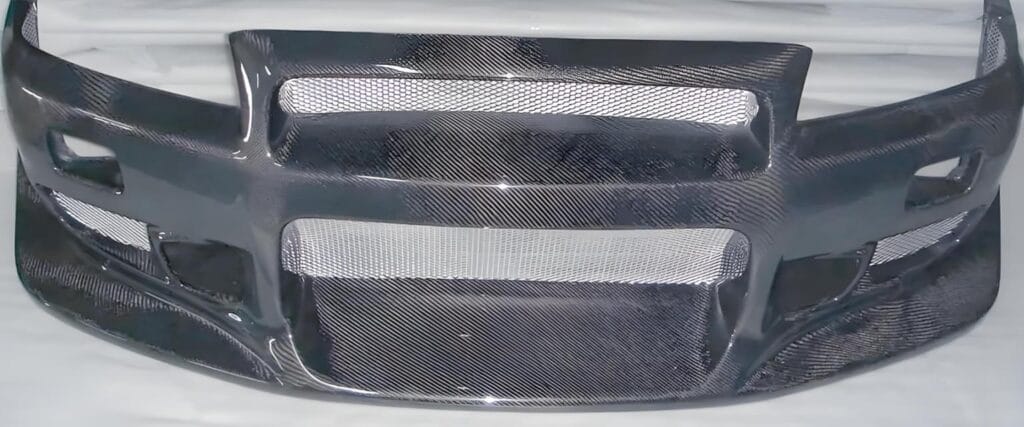
Benefits of Carbon Fiber Autoclave Molding
The autoclave molding process offers several advantages that make it a preferred choice for high-performance applications:
- High Strength and Stiffness: The process produces parts with superior mechanical properties due to the uniform distribution of stress and the high-quality fiber-matrix interface.
- Precision and Consistency: The controlled environment of the autoclave ensures consistent part quality and dimensional accuracy.
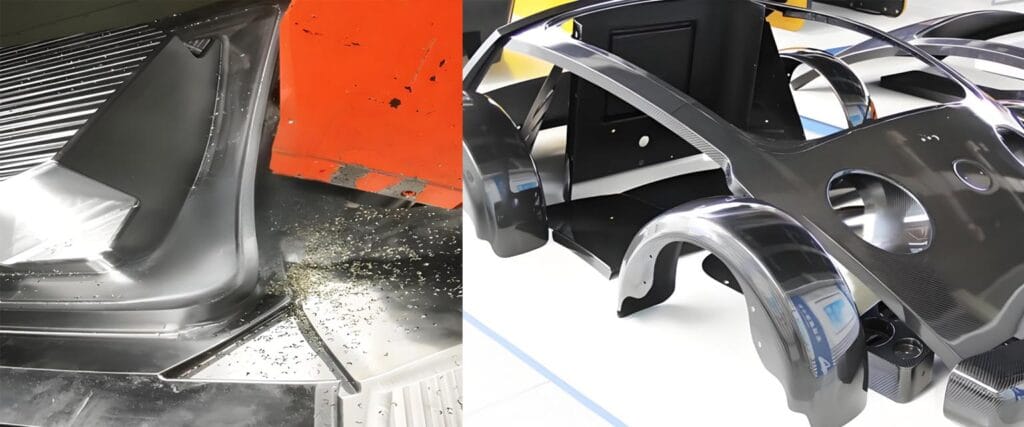
- Complex Shapes: The process can produce complex geometries that are difficult to achieve with other molding techniques.
- Surface Quality: Parts produced using autoclave molding often have a high-quality surface finish, reducing the need for secondary finishing processes.
Applications of Carbon Fiber Autoclave Molding
The applications of carbon fiber autoclave molding are vast and span across various industries:
- Aerospace: Used for manufacturing components such as fuselages, wings, and engine parts where high strength and low weight are critical.
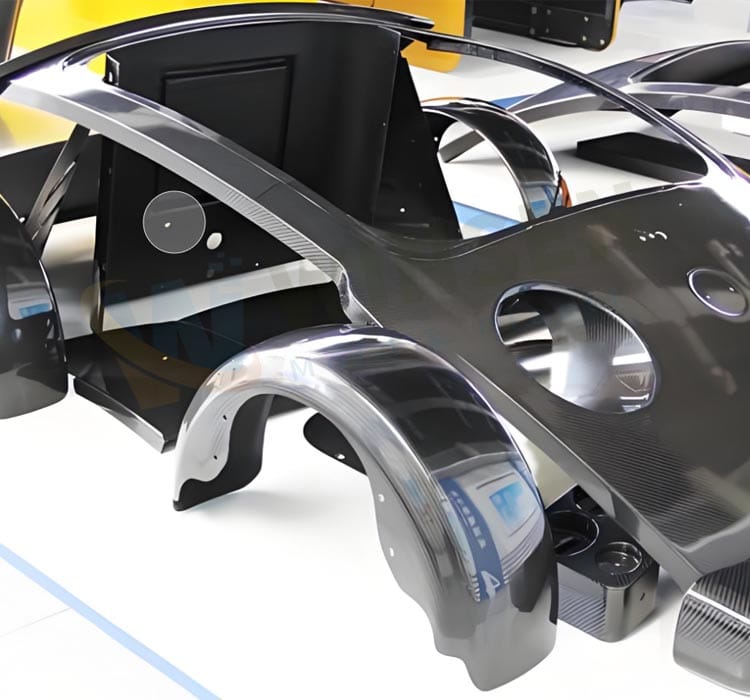
- Automotive: Employed in the production of high-performance vehicle parts, including chassis components, body panels, and interior fittings.
- Sports Equipment: Utilized in the creation of lightweight and durable sporting goods like golf clubs, tennis rackets, and bicycles.
- Wind Energy: Components such as blades and nacelles benefit from the high strength and stiffness provided by carbon fiber composites.
Challenges and Future Prospects
Despite its advantages, carbon fiber autoclave molding also faces challenges:
- Cost: The process is capital-intensive due to the high cost of autoclaves and the specialized equipment required.
- Energy Consumption: The high temperature and pressure requirements can lead to significant energy consumption.
- Skilled Labor: The process requires skilled operators and technicians to ensure quality and efficiency.
However, ongoing research and development are addressing these challenges. Innovations in materials, automation, and energy efficiency are expected to make the process more accessible and sustainable in the future.
Conclusion
Carbon fiber autoclave molding is a cutting-edge technology that is transforming the way high-performance composite parts are manufactured. Its ability to produce parts with exceptional strength, precision, and quality makes it indispensable in industries where performance is paramount. As technology continues to advance, we can expect the process to become more efficient, cost-effective, and widely adopted. The future of carbon fiber autoclave molding is bright, and its impact on manufacturing will be as significant as the material itself.