2026 Comprehensive Look at Plastic Chair Injection Moulds
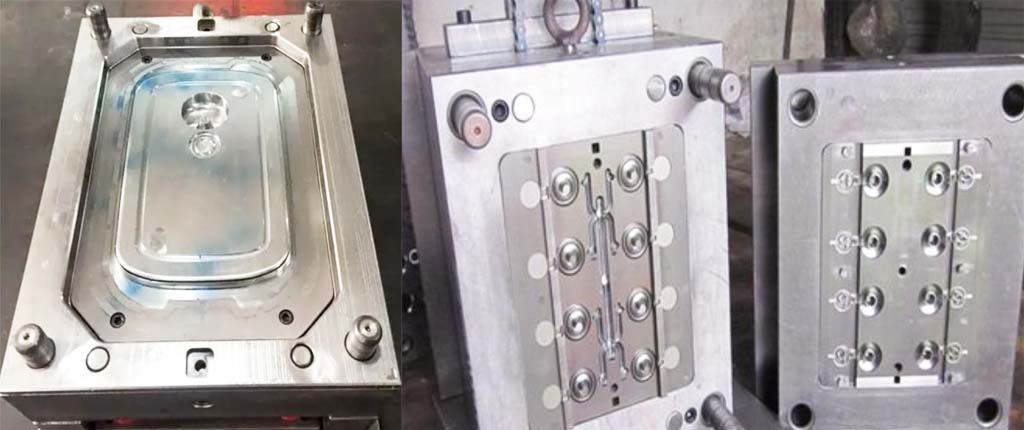
Plastic chair moulds are specialized tools used for injection molding plastic chairs. They come in various types and specifications and involve complex production processes. Suppliers are mainly concentrated in areas such as Taizhou, Zhejiang.
Table of Contents
Toggle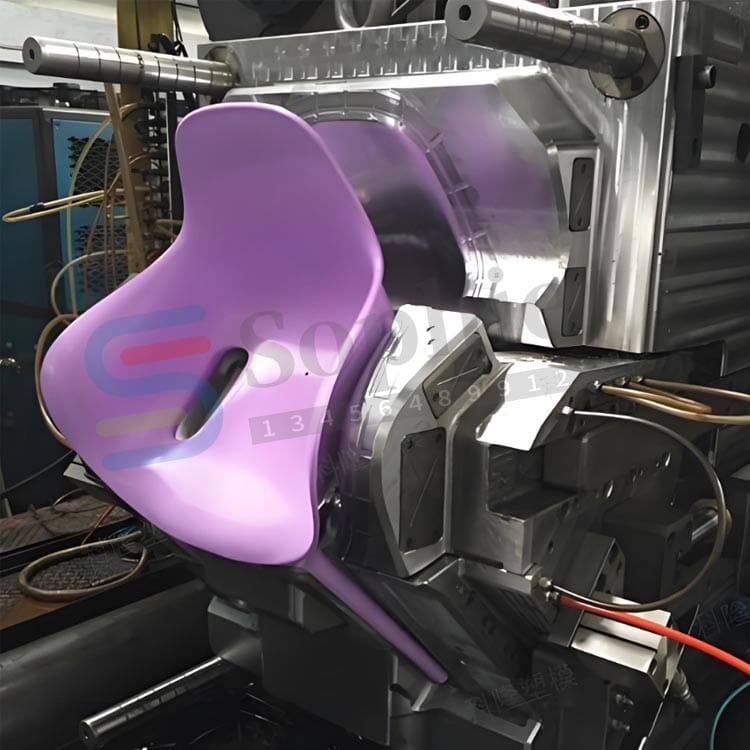
Types and Specifications of Plastic Chair Injection Moulds
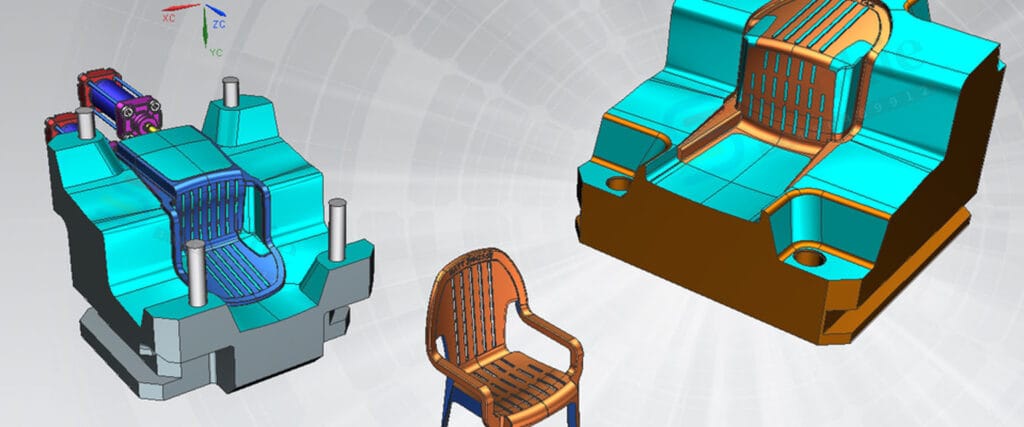
Plastic chair moulds can be divided into several types according to their design structure and purpose, the most common of which include:
- 1. Classification by Chair Type: Molds for beach chairs, backrest chairs, children’s chairs, folding stools, etc., with different molds suited to different chair structures.
- 2. Classification by Material: Primarily using PP (polypropylene), PC (polycarbonate), ABS, and other plastic materials. PP molds are widely used due to their strong corrosion resistance and low cost; PC molds are suitable for chairs requiring high transparency or high strength.
- 3. Specifications: Mold sizes range from small household stools (e.g., 30cm in diameter) to large outdoor chairs (e.g., beach chairs up to 1.2m in length and width). Prices vary widely, from several hundred yuan to hundreds of thousands of yuan, depending on complexity, precision, and materials.
Production Process of Plastic Chair Injection Moulds
The production of plastic chair molds requires precise design and processing. The core processes include:
1. Plastic Chair Mold Design: Analyze the product structure (e.g., draft angle, gating system, venting system), and optimize molding parameters using computer-aided design (CAD) to avoid defects such as shrinkage and air bubbles.
2. Chair Injection Molds Machining
- Mold Base Machining: Includes numbering, rough grinding of A/B plates, and CNC finishing.
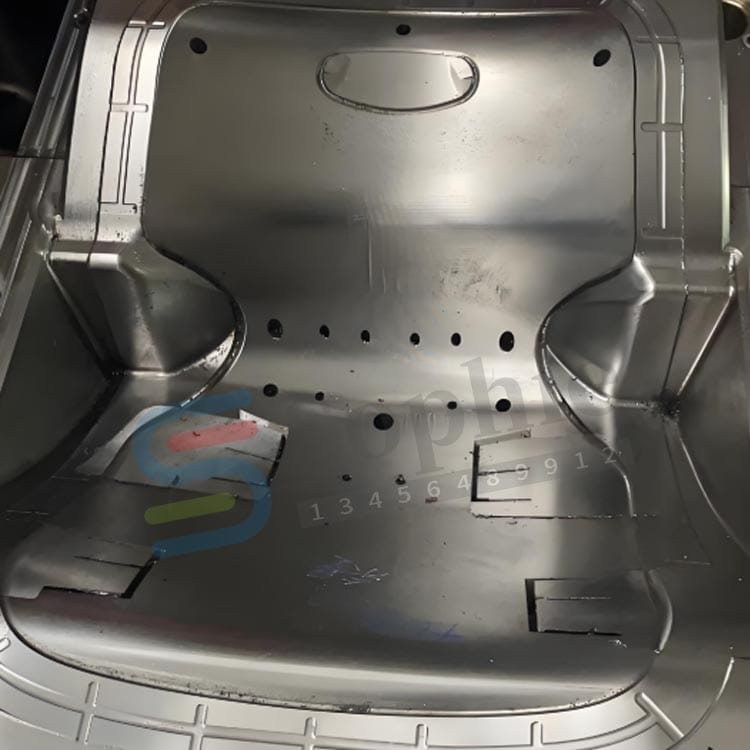
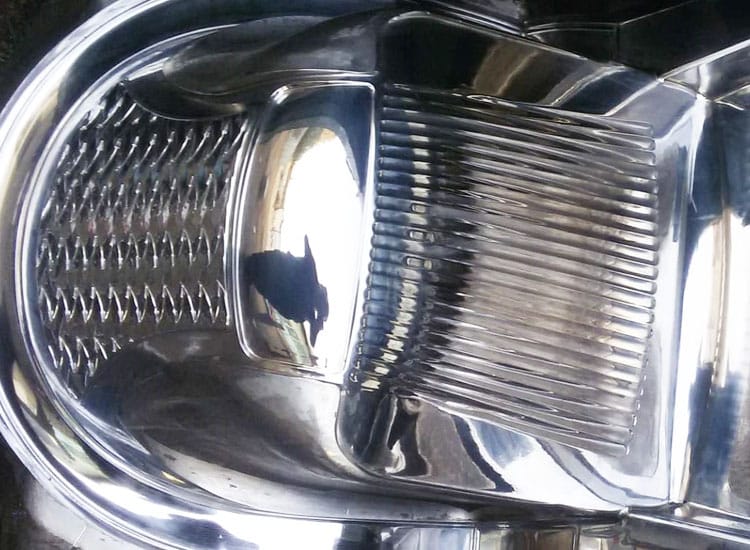
- Mold Core Machining: Involves EDM, heat treatment (hardness reaching 50-60 HRC), and polishing to ensure a surface roughness below Ra0.4μm.
- Assembly and Trial Molding: Assemble the moving mold, fixed mold, and ejection system, and adjust parameters through trial molding.
3. Maintenance: Daily cleaning of moving parts, regular cleaning of venting channels, and application of anti-rust oil to extend service life.
How to choose the situable mold for plastic injection chairs?
When choosing a plastic chair mold, the key factors are your production needs, budget, and chair design. Let me help you outline the crucial points:
1.Clarify chair's production needs
- Small-batch trial production: Choose a single-cavity mold; low cost and short cycle time.
- Mass production: Multi-cavity molds are more efficient, such as WS Mold, but the price and cycle time are higher.
2. Selecting a Mold Based on the Chair Design
- Simple Styles: A single-cavity mold is sufficient.
- Complex Designs: Require multiple parting surfaces and cavities, such as WS Mold, to ensure the integrity of details and structure.
3. Material and manufacturing process are crucial
- General-purpose plastics (PP/PE/ABS): P20 steel offers high cost-effectiveness and is suitable for small to medium batch production.
- Engineering plastics (PC/Nylon): 718H or NAK80 steel is more wear-resistant and suitable for high-requirement production.
- Fiberglass or mineral-containing plastics: Choose H13 or S136 steel for better wear resistance.
4. Budget and Production Cycle Must Match
- Limited Budget: Choose cheap mold steel;
- Sufficient Budget: Choose better mold steel, suitable for long-term, large-volume production.
- Production Cycle Requirement: Generally 30-60 days, customized production cycles may be longer.
5. Other Details Not to Be Overlooked
- Cooling System: Uniform cooling improves efficiency and reduces deformation.
- Ventilation Design: Prevents incomplete filling and ensures product integrity.
- Ejection System: Smooth demolding prevents product damage.
How to judge the quality of a plastic chair mold?
To judge the quality of a plastic chair mold, we need to comprehensively consider several aspects: appearance, size, structure, materials, trial molding results, and stability. Below, I’ll outline the specific steps:
1. Chair Mold Appearance Inspection
- Surface Quality: The mold surface must be smooth and flat, free from scratches, pinholes, cracks, and other defects. The plating or coating must be uniform and firm, without peeling or flaking.
- Clear Marking: Mold number, specifications, and production date information must be complete, clear, and neatly arranged.
- Detail Handling: Cooling water nozzles must not protrude from the mold base surface; entry and exit marks must be clear; and the mold’s external dimensions must meet the requirements of the injection molding machine.
2. Dimensional Accuracy
- Critical Dimensions: Measure critical dimensions using calipers, micrometers, or a coordinate measuring machine (CMM). Tolerances must be controlled within the specified range.
- Geometric Tolerances: For complex structures, it is recommended to use a CMM for comprehensive inspection to ensure dimensional accuracy.
3. Structural Rationality
- Component Connections: All components must be tightly and reliably connected, without any looseness or jamming.
- Moving Components: Sliders and ejector pins must move flexibly, and there should be no abnormal noises when manually opening and closing the mold.
4. Materials and Hardness
- Material Properties: The mold material must meet the design requirements; strength, hardness, wear resistance, and toughness must all meet the standards.
- Hardness Testing: Use a hardness tester to test key parts such as the cavity and core. Generally, the hardness of mold steel is between HRC35 and HRC50.
5. Trial Molding Test
- Product Appearance: The surface of the molded product should be smooth, free from defects such as burrs, missing material, and bubbles.
- Dimensional Consistency: Measure the product dimensions using calipers, micrometers, and other measuring tools; they must conform to the drawing requirements.
- Injection Molding Cycle: Record the injection molding cycle and analyze whether it meets the production efficiency requirements.
6. Stability Monitoring
- Temperature and Pressure: During mass production, continuously monitor mold temperature and pressure fluctuations to ensure stable performance.
- Mold Opening and Closing Time: The mold opening and closing time must be stable and should not exhibit significant variations.
7. Lifespan Assessment
- Wear Condition: Observe the wear condition of the mold after a specified number of cycles through simulated production or accelerated aging tests.
- Component Failure: Assess the probability of component failure and determine the mold’s lifespan.
8. Other details
- Cooling system: Check for leaks in the pipes by running water or coolant through them, and use a temperature sensor to measure the uniformity of cooling.
- Heating system: Check the working status of the heating elements, measure the surface temperature of the mold, and check the accuracy of temperature control.
Judging mold quality requires a comprehensive assessment of appearance, dimensions, structure, materials, trial molding, and stability. If budget is limited, a single-cavity mold is a good option; however, for higher precision and longer lifespan, a multi-cavity mold is recommended.
As a core tool for the efficient production of plastic chairs, the diversity of plastic chair molds in terms of type and process directly determines the quality and production efficiency of the finished product. From beach chairs and backrest chairs adapted to different chair structures to children’s chair molds, and even to special designs for materials such as PP and PC, mold selection requires comprehensive consideration of product function, material characteristics, and cost-effectiveness. In terms of production processes, precise design optimization, strict processing procedures (such as CNC precision machining and EDM), and scientific maintenance jointly ensure the durability of the mold and the consistency of the product. When selecting a suitable mold, it is necessary to assess the complexity of the chair design, production volume, and material compatibility, prioritizing models with reasonable structures and smooth venting; while quality judgment focuses on mold precision (such as surface roughness), material hardness (such as 50-60HRC after heat treatment), and supplier reputation to avoid product shrinkage or warping due to defects. Through systematic type analysis, process control, and quality assessment, enterprises can significantly improve the production efficiency and market competitiveness of plastic chairs, achieving full-process optimization from mold to finished product.