Top-Quality Battery Box Molds for Cars and Industry
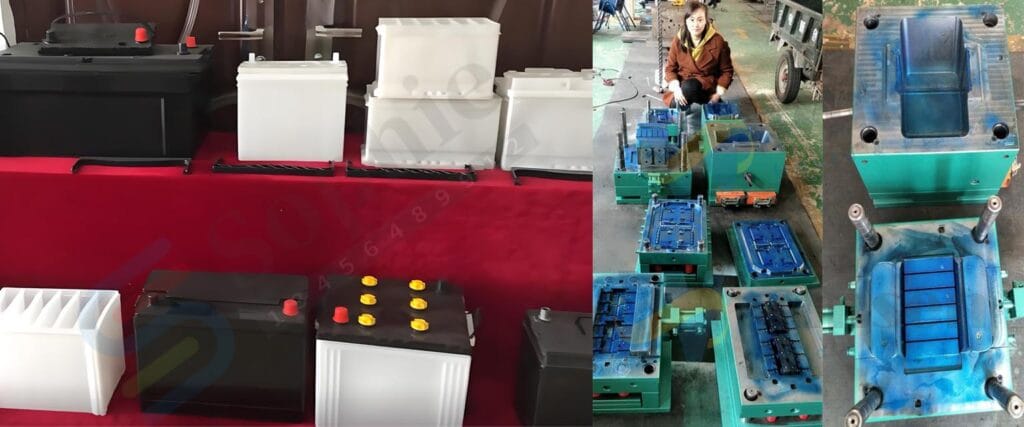
Battery box molds are specialized tools for manufacturing battery boxes. They are formed through injection molding to ensure the dimensional accuracy and structural strength of the battery box.
Table of Contents
ToggleThe demand for robust battery storage solutions is surging at an unprecedented rate. Modern vehicles, including cars and trucks, as well as various industrial machines, are increasingly dependent on batteries to function efficiently. Given the critical role batteries play, it is essential to provide them with a secure and protective environment. This is where battery box molds come into play. They are instrumental in crafting the enclosures that safeguard batteries.
These battery boxes are meticulously designed to shield batteries from a range of potential hazards, such as excessive heat, mechanical shocks, and physical damage. A high-quality battery box mold is not just a manufacturing tool; it is the cornerstone of reliable battery storage. The precision and durability of the mold directly influence the integrity of the battery box.
Each battery box produced through molding must adhere to stringent standards of quality. The mold determines the box’s dimensions, structural integrity, and overall performance. A substandard mold can result in a compromised box, which is particularly problematic in automotive and industrial applications where reliability is paramount. A faulty battery box can lead to significant operational issues, underscoring the importance of using only the finest mold solutions to ensure the safety and functionality of battery storage.
The function of the battery box
A battery compartment is an essential device for housing and protecting batteries. Its main functions include:
- 1. Physical Protection: Preventing physical damage from drops, impacts, scratches, and other external factors, ensuring battery safety during use and storage.
2. Electrical Safety: Preventing short circuits between batteries or between a battery and metal objects, reducing the risk of short circuits and improving overall safety.
3. Environmental Protection: Protecting batteries from environmental factors such as moisture, dust, and extreme temperatures, extending battery life.
4. Structural Support: Providing stable support for the battery, ensuring it is securely fixed in the device and preventing movement or loss.
5. Heat Dissipation: Some battery compartments are designed with ventilation holes or heat sinks to dissipate heat during charging or discharging, keeping the battery temperature within a safe range, thus improving battery performance and safety.
6.Portability and Management: Battery compartments are typically designed with easy-to-carry features, such as handles or straps, facilitating the carrying of spare batteries and aiding in battery management and replacement.
In the field of new energy vehicles, the role of the battery compartment is particularly important. The battery pack housing, as the external load-bearing component of the battery system, is typically installed under the vehicle body and is primarily used to protect the battery from damage when subjected to external impacts or pressure.
The Importance and Value of Battery Box Molds
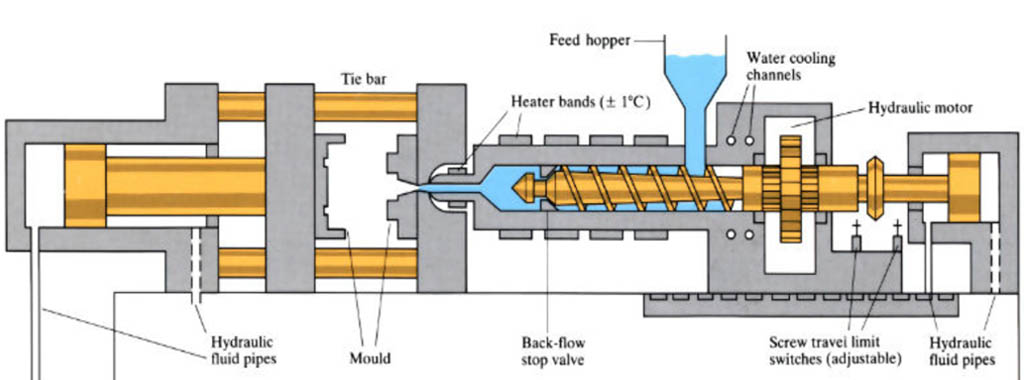
Plastic containers and various other products are predominantly manufactured through injection molding. This method is highly efficient and rapid, enabling producers to churn out vast quantities of items affordably. It accommodates a diverse range of plastic materials, such as polystyrene, polyethylene, and polycarbonate. Injection molding excels in producing high-volume, high-quality items, making it ideal for applications like food packaging.
Why is plastic Injection Molding in Battery Box Production
- High Production Efficiency: This method allows for the simultaneous production of multiple battery boxes, significantly increasing manufacturing output. It is particularly beneficial for industries that require large volumes of battery boxes, such as automotive and industrial sectors.
- Minimal Waste: The precision of the injection molding process ensures that material usage is optimized, resulting in minimal waste. This not only reduces material costs but also aligns with sustainable manufacturing practices.
- Strength and Precision: The injection molding process produces battery boxes that are both strong and precisely shaped. The high pressure and controlled cooling ensure that the final product is free from defects and has consistent dimensions, which is critical for applications where reliability and safety are paramount.
- Design Flexibility: Injection molding allows for a wide range of shapes and sizes, enabling manufacturers to customize battery boxes to meet specific design requirements. This flexibility is essential for fitting battery boxes into various vehicle and machine configurations.
- Quick Turnaround: The ability to produce multiple high-quality battery boxes quickly makes plastic injection molding a highly efficient method. This rapid production capability ensures that manufacturers can meet tight deadlines and maintain a steady supply chain.
The Critical Role of a Plastic Injection Mold
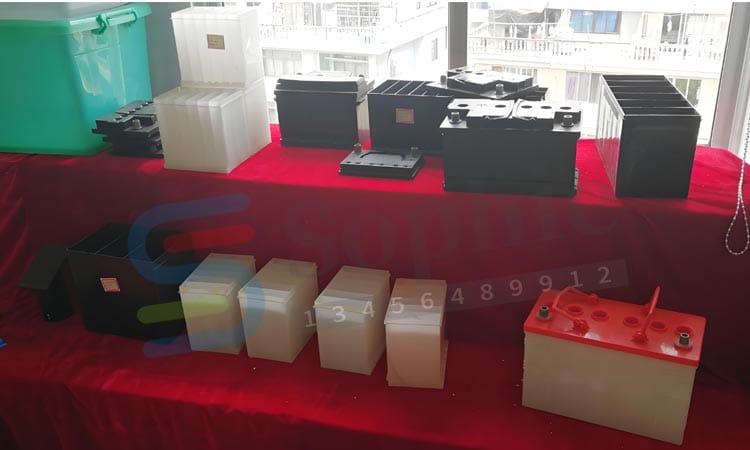
Plastic Mould Manufacturing Standards
Plastic mold manufacturing demands precision. Strong steel, accurate shaping, and smooth surfaces are essential to produce flawless battery boxes. Companies making these molds must have modern equipment, skilled workers, and strict quality control. Automotive and industrial clients expect nothing less.
Benefits of Plastic Battery Box Mold
- Durability and Longevity
These molds are built to last, ensuring consistent production quality over extended periods. They can withstand the rigors of repeated use, maintaining their shape and functionality without degradation. - Protection Against Environmental Factors
The battery boxes produced from these molds are designed to resist shocks, heat, and chemicals. This robustness ensures that batteries remain safe and functional in various conditions, from extreme temperatures to industrial environments. - Customization and Flexibility
Plastic battery box molds allow for a wide range of designs and sizes. Whether the requirement is for large battery boxes in electric vehicles or smaller units in portable devices, these molds can be tailored to meet specific needs without compromising on quality. - Cost-Effective Production
The precision and efficiency of plastic injection molding reduce material waste and production time. This results in lower manufacturing costs while maintaining high-quality standards, making it an economically viable solution for both small-scale and mass production. - Enhanced Safety
The precision of the molds ensures that battery boxes are manufactured with exact specifications, reducing the risk of defects that could compromise safety. This is particularly important in applications where battery failure could lead to significant issues, such as in automotive and industrial settings. - Consistent Quality
Modern plastic molds are designed with high-precision tools, ensuring that each battery box produced meets strict quality standards. This consistency is crucial for maintaining reliability and performance in critical applications.
- Lightweight and Efficient
Plastic materials used in these molds are often lighter than traditional metals, resulting in battery boxes that are easier to handle and install. This lightweight design is particularly beneficial in applications where weight reduction is a priority, such as in electric vehicles.
Durable Battery Box Molds for Reliable Power Storage
Advanced Design in Battery Box Molds
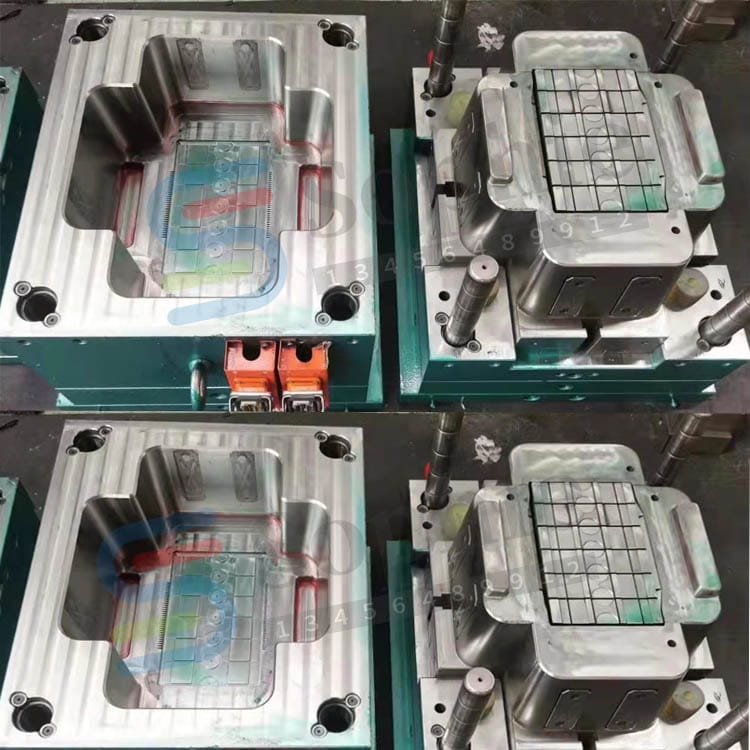
Design also includes vents, locking parts, and space for fitting. Car boxes may need clips to hold them in place. Industrial boxes may require extra strength to accommodate heavy batteries. The mould design includes all these details.
Future In Battery Box Mold Technology
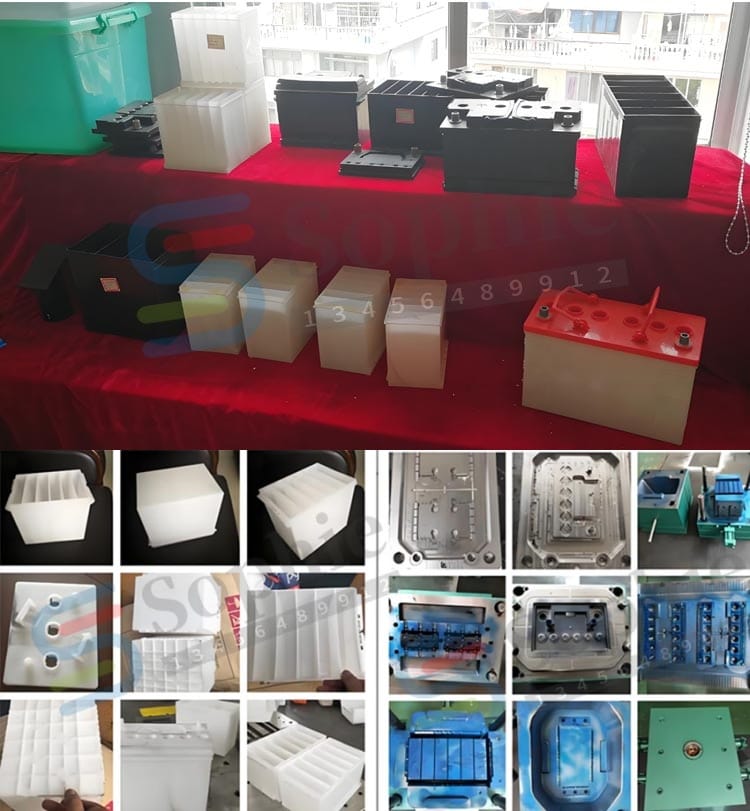
A battery box mold is a meticulously crafted tool, usually constructed from steel, designed to produce durable, consistent, and leak-proof plastic enclosures for a range of battery types (including lead-acid and lithium-ion) used in automotive, UPS, and electric vehicle applications. Utilizing processes such as injection molding or rotomolding, these molds ensure tight tolerances, proper ventilation, and robust construction to enhance safety and performance.