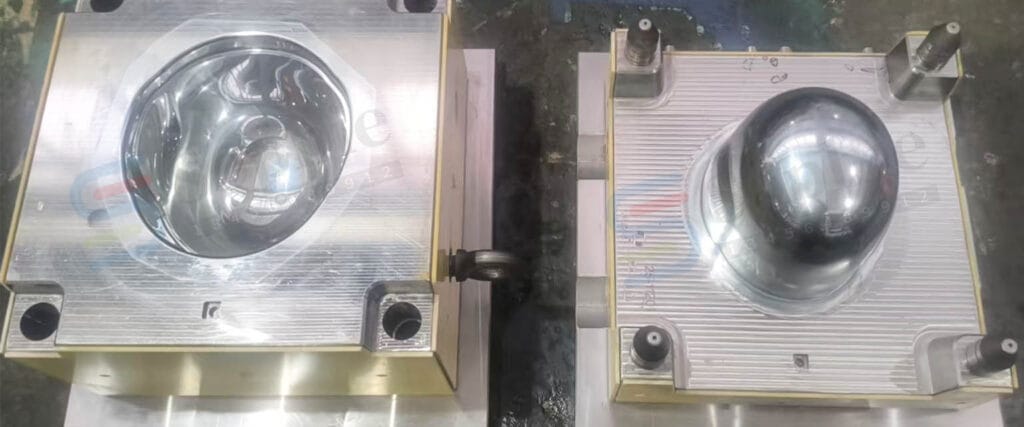
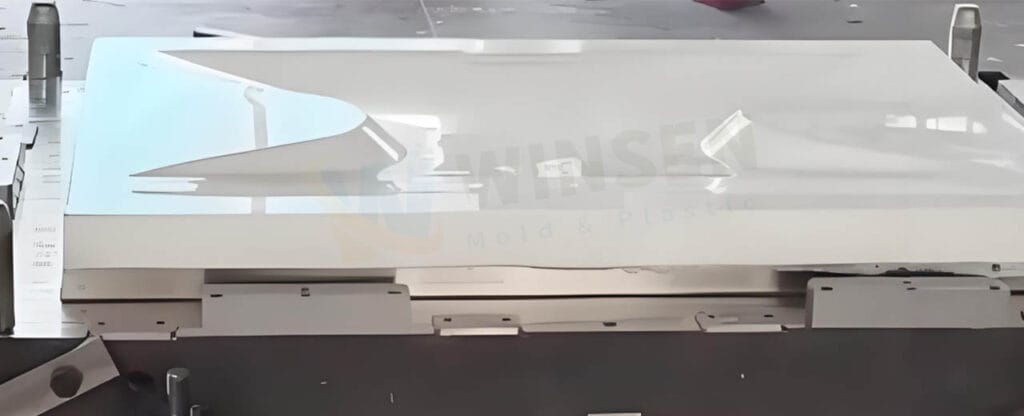
Understanding the Fiber Reinforced Polymer Molding.In the dynamic world of modern manufacturing, the quest for materials that combine strength, durability, and lightweight properties has led to the widespread adoption of Fiber Reinforced Polymers (FRP) molding. These composite materials have revolutionized various industries, from aerospace and automotive to construction and consumer goods. At the heart of this revolution lies the intricate process of FRP compression molding, a technique that transforms raw materials into high-performance components. This blog aims to provide a comprehensive understanding of the FRP molding process, exploring its key stages, benefits, and applications.
Table of Contents
ToggleWhat is Fiber Reinforced Polymer (FRP) molding?
Before diving into the molding process, it’s essential to understand what FRP is. Fiber Reinforced Polymer is a composite material made from a polymer matrix reinforced with fibers, typically glass, carbon, or aramid. The fibers provide the material with exceptional strength and stiffness, while the polymer matrix binds the fibers together and protects them from environmental factors. The result is a material that is not only lightweight but also highly resistant to corrosion, fatigue, and impact.
Key Components of FRP
- Fibers: The reinforcing fibers are the backbone of FRP. Glass fibers are the most common due to their affordability and versatility. Carbon fibers offer superior strength and stiffness but come at a higher cost. Aramid fibers, like Kevlar, are known for their high tensile strength and impact resistance.
- Polymer Matrix: The matrix is typically a thermosetting resin such as epoxy, polyester, or vinyl ester. These resins cure to form a rigid structure that holds the fibers in place and provides additional properties like chemical resistance and thermal stability.
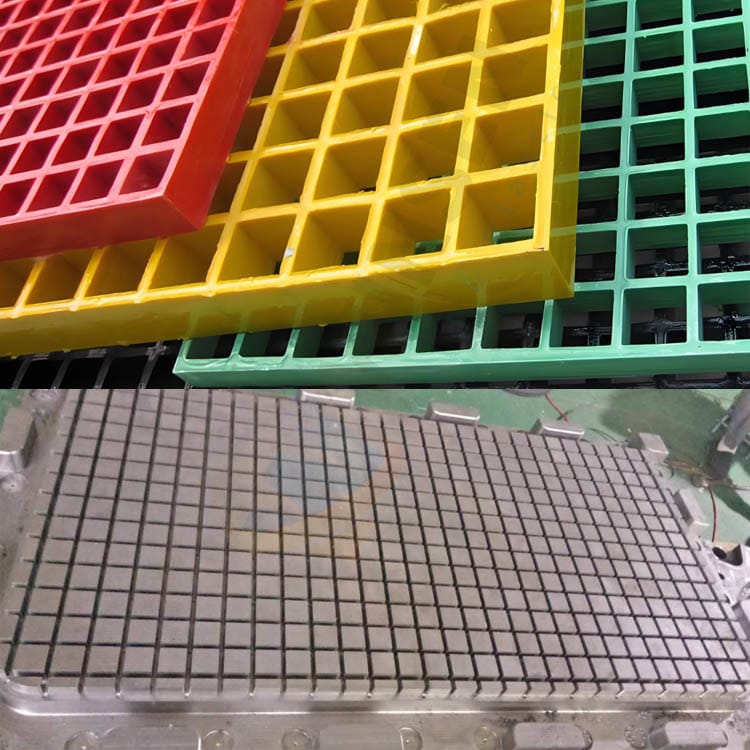
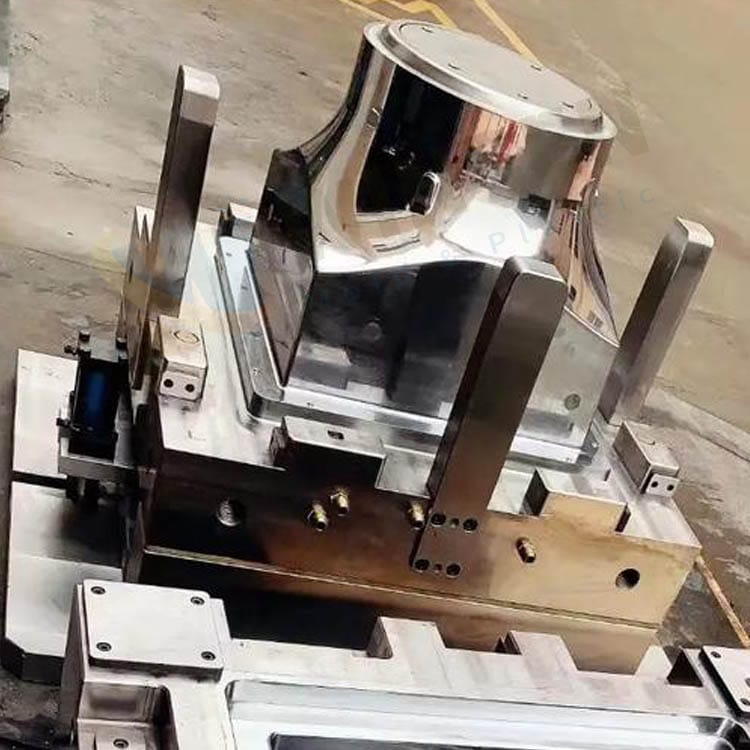
When it comes to construction, FRP panel molds offer significant benefits. FRP stands for “fiberglass reinforced plastic,” which means these molds are not only durable but also designed for longevity. They can be reused multiple times without compromising quality. WS’s FRP panels Molds are engineered to endure the tough conditions often found on construction sites. This makes them an ideal choice for builders looking for reliable and cost-effective solutions.
The FRP Molding Process
The process of molding FRP components involves several critical steps, each requiring precision and expertise. Here’s a detailed breakdown of the process:
1. Design and Engineering
The journey begins with design and engineering. Engineers use Computer-Aided Design (CAD) software to create detailed models of the desired component. This stage is crucial as it determines the final product’s dimensions, shape, and structural integrity. Factors such as load requirements, environmental conditions, and manufacturing constraints are all considered during this phase.
2. Mold Preparation
Once the design is finalized, the next step is mold preparation. Molds can be made from various materials, including steel, aluminum, or composite materials. The choice of mold material depends on factors such as production volume, cost, and required surface finish. The mold is carefully machined to the exact specifications of the CAD model. It is then polished and coated with a release agent to ensure easy removal of the molded part.
3. Fiber Placement
With the mold ready, the next step is fiber placement. The reinforcing fibers are laid out in the mold in a specific pattern to optimize strength and performance. This can be done manually or using automated fiber placement machines, which offer greater precision and consistency. The fibers are often pre-impregnated with resin (prepreg) or coated with resin during the molding process.
4. Resin Application
Resin application is a critical step in the FRP molding process. The resin is mixed with a curing agent and carefully applied to the fibers. The resin serves as the binding agent, holding the fibers together and providing the composite with its final properties. The resin can be applied using various methods, including hand lay-up, spray-up, or resin transfer molding (RTM). Each method has its advantages and is chosen based on the specific requirements of the component.
5. Curing
After the resin is applied, the mold is closed, and the curing process begins. Curing involves applying heat and pressure to the mold, causing the resin to harden and the composite to take its final shape. The curing process must be carefully controlled to ensure uniform curing and avoid defects. This can be done in an oven or using specialized curing equipment.
6. Post-Processing
Once the curing process is complete, the mold is opened, and the FRP component is carefully removed. The component may then undergo post-processing steps such as trimming, drilling, or surface finishing. These steps ensure that the final product meets the required specifications and quality standards.
Benefits of Fiber Reinforced Polymer Molding
The FRP molding process offers several advantages that make it a preferred choice for many industries:
- High Strength-to-Weight Ratio
- Corrosion Resistance
- Design Flexibility
- Durability
Applications of FRP Molding
The versatility of FRP molding makes it suitable for a wide range of applications across various industries:
- 1. Aerospace: In the aerospace industry, FRP is used to manufacture lightweight yet strong components such as aircraft wings, fuselage panels, and interior fittings. The high strength-to-weight ratio and resistance to fatigue make FRP ideal for improving fuel efficiency and reducing emissions.
- 2. Automotive: The automotive industry utilizes FRP for body panels, engine components, and structural parts. FRP helps reduce vehicle weight, improve fuel economy, and enhance overall performance. Its resistance to corrosion also extends the lifespan of automotive components.
- 3. Construction: In construction, FRP is used for structural elements such as beams, columns, and reinforcement bars. Its high strength and corrosion resistance make it an attractive alternative to traditional materials like steel and concrete. FRP is also used for architectural elements, cladding, and roofing.
- 4. Marine: The marine industry benefits from FRP’s resistance to water and salt corrosion. FRP is used to manufacture boat hulls, decks, and other marine structures. Its lightweight nature also improves vessel performance and fuel efficiency.
- 5. Consumer: Goods FRP is used in the production of various consumer goods, including sports equipment, furniture, and electronic casings. Its durability, lightweight, and design flexibility make it suitable for creating high-performance and aesthetically pleasing products.
Conclusion
Understanding the process of Fiber Reinforced Polymer molding is essential for anyone involved in the design and manufacturing of high-performance components. The FRP molding process combines precision engineering, advanced materials, and meticulous craftsmanship to produce components that are strong, lightweight, and durable. With its wide range of applications and numerous benefits, FRP molding continues to play a crucial role in modern manufacturing.
As industries continue to evolve and demand more innovative and sustainable solutions, the importance of FRP molding will only grow. By choosing the right FRP molding partner and leveraging the benefits of this technology, businesses can stay ahead of the curve and achieve their goals in the competitive market.