Tips for Choosing a Thinwall Plastic Food Container Mold
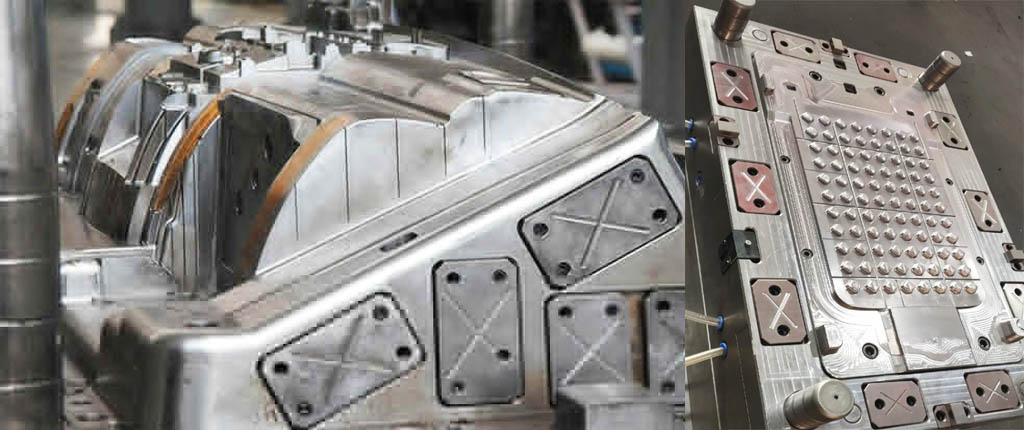
Thinwall Plastic food container molds are core tools in food packaging production, and their selection directly affects product quality, production efficiency, and cost control. This article will systematically explain how to accurately match mold requirements from following aspects:
Table of Contents
ToggleDisposable Thin-Wall Container Moulds - Cavity Options
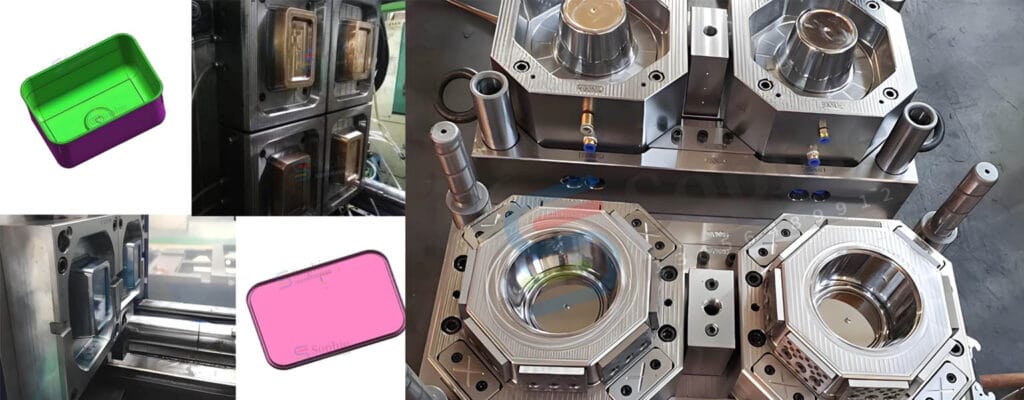
Our disposable thin-wall container molds are versatile, catering to a wide range of container sizes from 50ml to 5000ml and various shapes including round and square designs. These moulds can accommodate 1 to 32 cavities. Typically, we suggest the following cavity counts for optimal production efficiency: 1, 2, 4, 6, 8, 12, 16, 24, and 32. However, the specific cavity arrangement should be carefully determined based on your production capacity and the dimensions of your injection moulding machine.
Disposable Thin-Wall Container Moulds - Main Steel Selection
Choosing the right steel for disposable thin-wall container moulds is crucial. Given the intense compression and heating that the core cavity undergoes, we typically opt for tempered steel materials. Common choices include S136, DIN1.2316, DIN2083, DIN1.2344, and DIN1.2343. While general mould suppliers might use basic steels like S136, WS MOULD suggests DIN1.2344 or DIN1.2343 for users who are well-versed in basic mould maintenance.
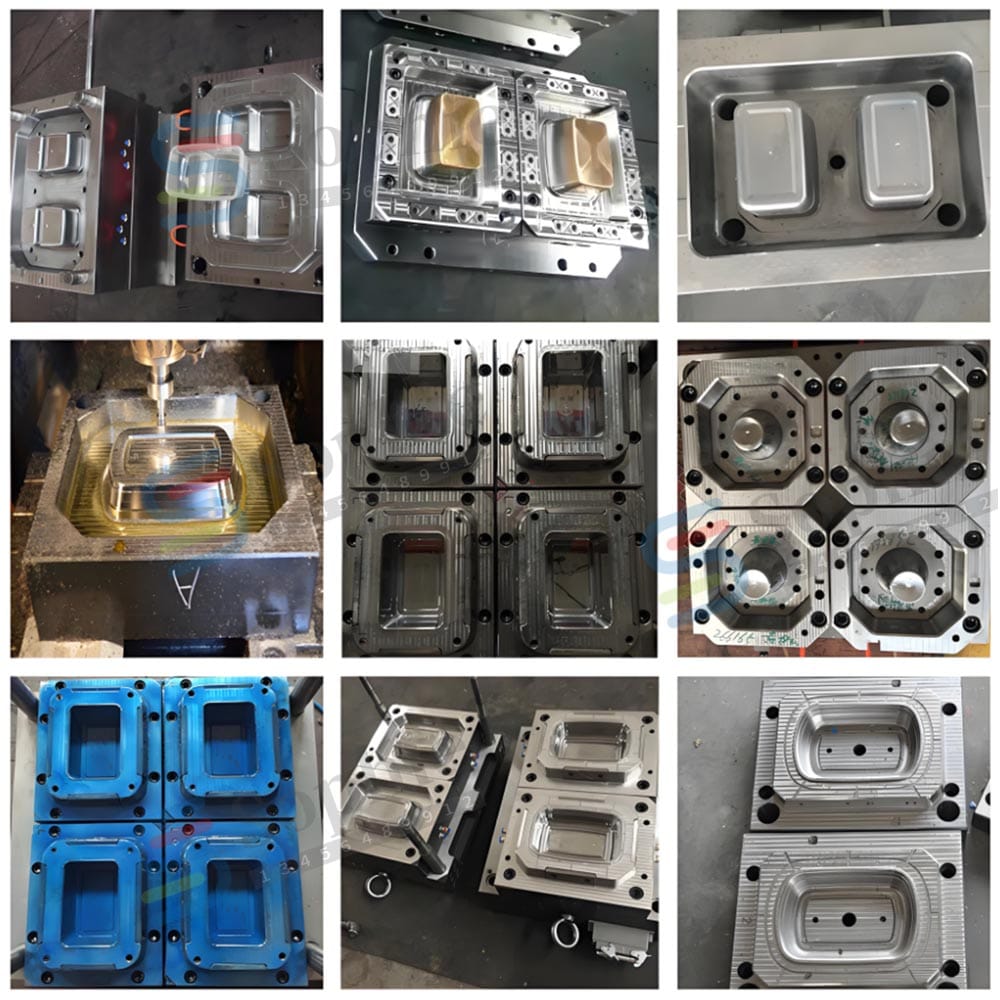
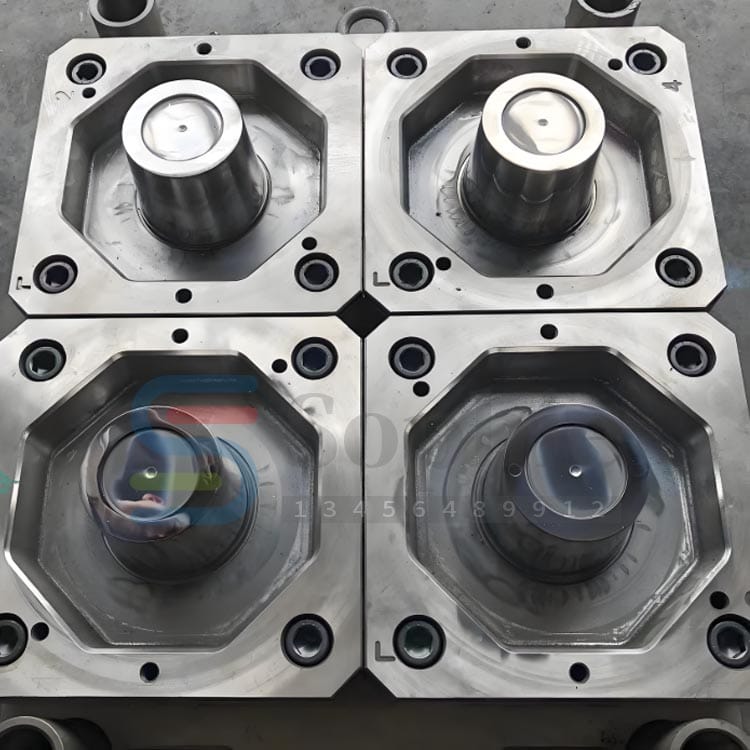
Plastic containers and various other products are predominantly manufactured through injection molding. This method is highly efficient and rapid, enabling producers to churn out vast quantities of items affordably. It accommodates a diverse range of plastic materials, such as polystyrene, polyethylene, and polycarbonate. Injection molding excels in producing high-volume, high-quality items, making it ideal for applications like food packaging.
Plastic Food Container Molds: Quality Crafted for Sri Lanka
At WS MOLD, we specialize in manufacturing top-tier plastic food container injection moulds. Recently, we successfully completed a project for a client in Sri Lanka, delivering high-quality moulds that met all their specifications.
Our team ensured precision in design and production, using advanced technology and rigorous quality checks. The moulds were crafted from durable materials, ensuring longevity and reliability. We also prioritized food safety, adhering to strict standards to produce containers that are safe for food storage.
Timely delivery was a key focus, and we managed to meet the deadline without compromising on quality. Our collaboration with the Sri Lankan client was seamless, and their satisfaction reaffirms our commitment to excellence.
Whether you need custom or standard moulds,WS MOLD is your go-to choice. Contact us today to discuss your requirements and experience our dedication to quality and service.
Key Points of Plastic Food Container Mold
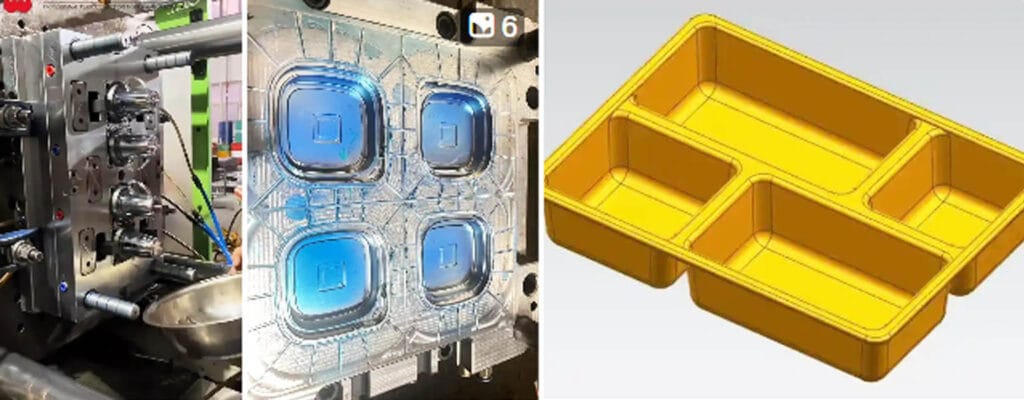
- Design Accuracy: Mold design requires precision. Dimensional tolerances are generally controlled within ±0.05mm, and for high-precision products, tolerances can be controlled within ±0.01mm. The shrinkage rate of the plastic must be considered during design.
- Cavity and Core Design: Ensure uniform thickness and consistent shape for easy demolding without damaging the product.
- Cooling System: Design an efficient cooling system, such as water channels, to shorten cooling time and reduce residual stress.
- Ejection Mechanism: Design a reasonable ejection system, such as ejector pins, sleeves, or air jets, to ensure smooth product demolding.
Material Compatibility: Ensuring Safety and Functionality
Mold materials must be compatible with food-grade plastics (such as PP and PS) to avoid chemical reactions.
PP (Polypropylene): High temperature and chemical resistance, suitable for microwave containers; the mold must have high heat resistance.
PS (Polystyrene): Used for disposable tableware; the mold design needs to optimize the cooling system to shorten the cycle time.
Safety: The mold surface must be smooth and non-porous to prevent bacterial growth and must be certified by the FDA or GB 4806.7-2023.
Plastic Food Container Mold Manufacturer
Choosing the right thinwall plastic food container mold requires a systematic evaluation of the process, materials, manufacturers, and risks. By precisely matching production scale with product characteristics and prioritizing partners with strong technical capabilities and compliance certifications, product quality and market competitiveness can be significantly improved. Companies should regularly evaluate mold performance and optimize production processes through technological innovation to maximize long-term benefits.