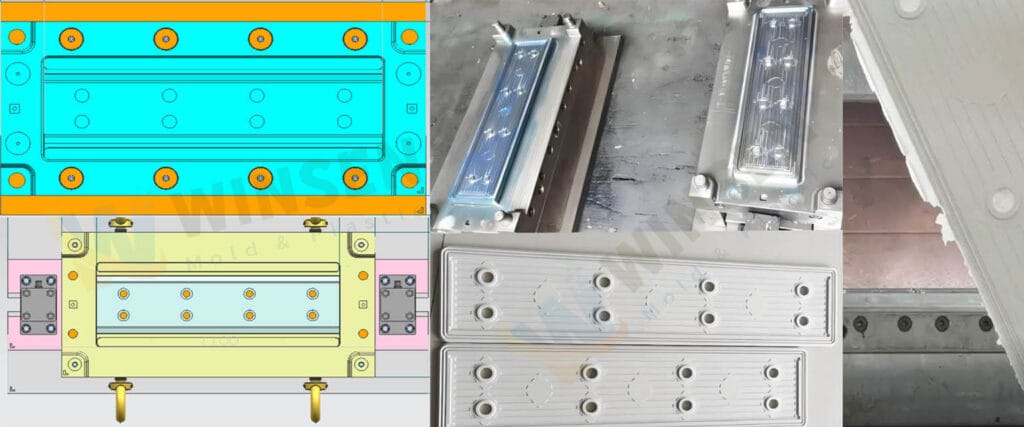
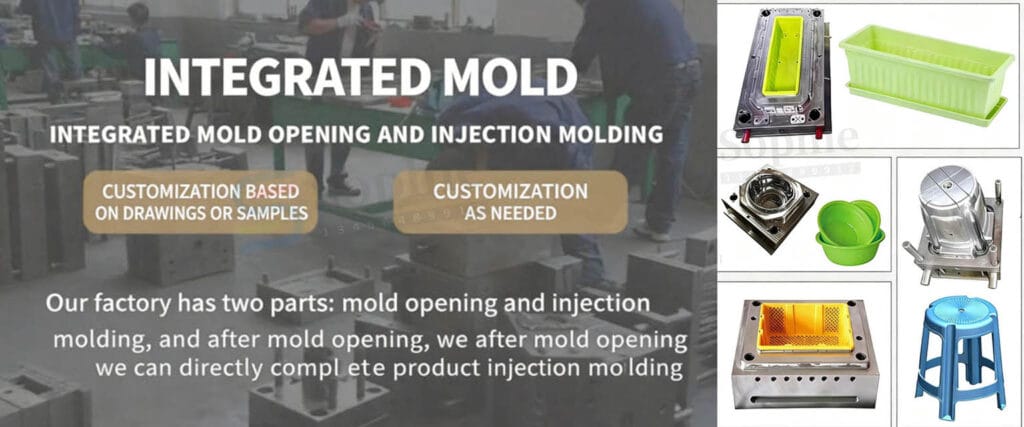
Injection Mold Processing Plastic Parts Manufacturing
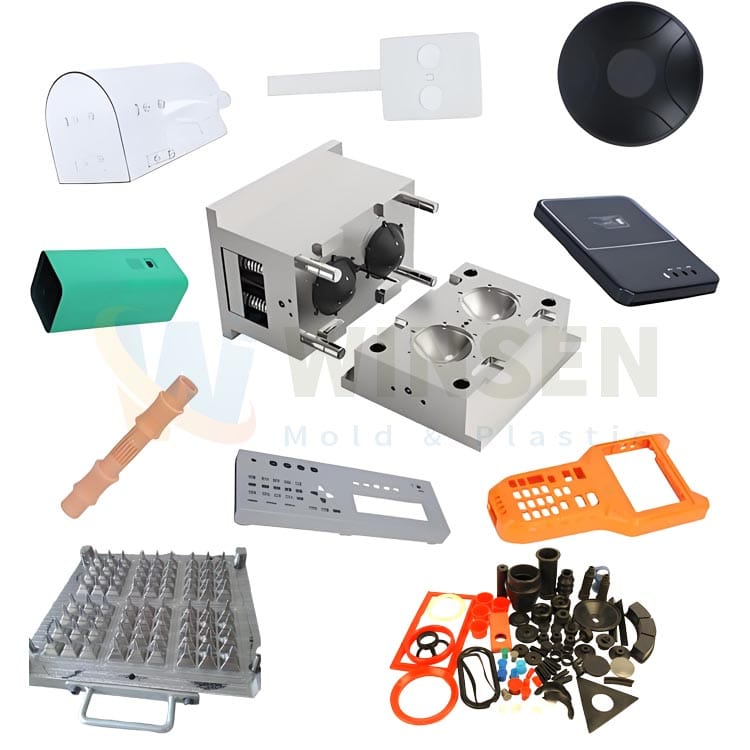
Injection mold processing stands as the backbone of modern plastic parts manufacturing, delivering high-precision components across automotive, medical, consumer electronics, and industrial sectors. This manufacturing methodology transforms thermoplastic and thermoset materials into complex geometries with exceptional repeatability and cost efficiency at scale.
Table of Contents
Toggle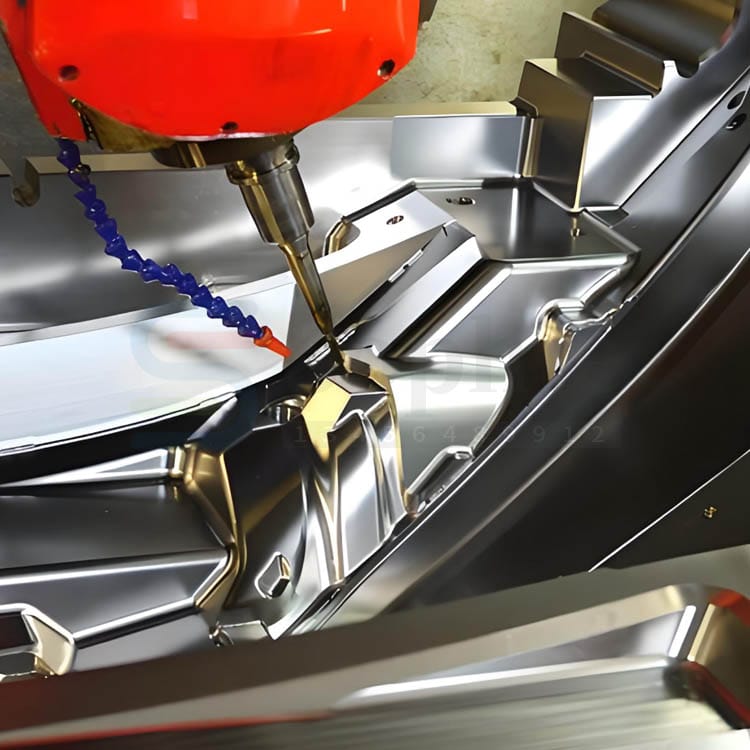
Understanding the Injection Mold Processing Workflow
The injection mold processing cycle begins with material preparation, where polymer pellets are dried to precise moisture specifications. The material then enters a heated barrel where rotating screws generate shear heat, creating homogeneous molten plastic. Under controlled pressure—typically 10,000 to 30,000 PSI—the melt injects into precision-machined tool steel injection molds maintained at optimal temperatures through integrated cooling channels.
Cycle times range from 15 seconds to several minutes depending on part geometry, wall thickness, and material properties. Scientific molding principles emphasize process monitoring through cavity pressure sensors and real-time quality data acquisition, ensuring consistent part dimensions within tight tolerances.
Design for Manufacturability (DFM) Best Practices
Successful plastic parts manufacturing begins with intelligent part design. Uniform wall thickness represents the most critical DFM principle—variations exceeding 25% create differential shrinkage leading to warpage, sink marks, and internal voids. Industry standards recommend nominal wall thickness between 0.080 to 0.160 inches for most engineering thermoplastics.
Draft angles of 1-2 degrees per side facilitate clean part ejection while preventing cosmetic defects. Strategic rib placement—maintaining thickness below 60% of nominal wall sections—enhances structural rigidity without creating sink marks on visible surfaces. Boss features for fastening points require attachment to side walls or gusset support rather than freestanding configurations to optimize mold filling and cooling uniformity
Material Selection for Performance Optimization
Material specification directly impacts injection mold processing parameters and final part performance. Commodity resins including polypropylene (PP), acrylonitrile butadiene styrene (ABS), and polyethylene (PE) offer cost-effective solutions for consumer applications. Engineering-grade alternatives such as polycarbonate (PC), nylon (PA), and polybutylene terephthalate (PBT) deliver enhanced mechanical properties and thermal resistance for demanding industrial environments.
High-performance polymers including polyetheretherketone (PEEK) and liquid silicone rubber (LSR) require specialized processing equipment capable of sustained elevated temperatures and precise shot control. Material selection must account for end-use requirements including chemical resistance, UV stability, flammability ratings, and biocompatibility standards for medical device applications
Advanced Processing Techniques and Quality Control
Multi-cavity tooling enables simultaneous production of multiple parts per cycle, dramatically improving manufacturing economics for high-volume programs. Two-shot molding integrates dissimilar materials—such as rigid substrates with elastomeric overmolds—within single processing sequences, eliminating secondary assembly operations.
Insert molding permanently encapsulates metal components including threaded inserts, electrical contacts, and structural reinforcements within plastic matrices. This technique achieves mechanical bonds superior to post-mold press-fit assemblies while reducing overall part count and labor costs .
Quality assurance protocols incorporate automated optical inspection, coordinate measuring machine (CMM) verification, and statistical process control (SPC) methodologies. ISO 9001 and IATF 16949 certifications demonstrate systematic quality management adherence essential for automotive and aerospace supplier qualification
Industry Applications and Market Trends
Injection mold processing serves diverse sectors with specialized requirements. Medical device manufacturing demands ISO 13485 compliance, cleanroom production environments, and extensive validation documentation for FDA-regulated products. Automotive applications emphasize dimensional precision, crashworthiness, and thermal stability under hood temperatures exceeding 150°C.
The reshoring movement has accelerated domestic injection molding capacity expansion, with manufacturers prioritizing supply chain resilience and reduced logistics risks over offshore cost advantages. Industry 4.0 integration—including IoT-enabled machine monitoring, predictive maintenance algorithms, and automated material handling—continues transforming traditional molding operations into smart manufacturing ecosystems
Conclusion
Injection mold processing remains indispensable for cost-effective plastic parts manufacturing at production volumes exceeding thousands of units. Success requires integrated expertise spanning part design optimization, material science, precision tooling, and scientific process control. Manufacturers implementing comprehensive DFM protocols, investing in advanced quality systems, and maintaining industry-specific certifications position themselves competitively within evolving industrial markets.
For procurement teams evaluating molding partners, capability assessments should prioritize technical documentation quality, equipment modernization levels, and demonstrated expertise within relevant industry verticals rather than unit pricing alone.