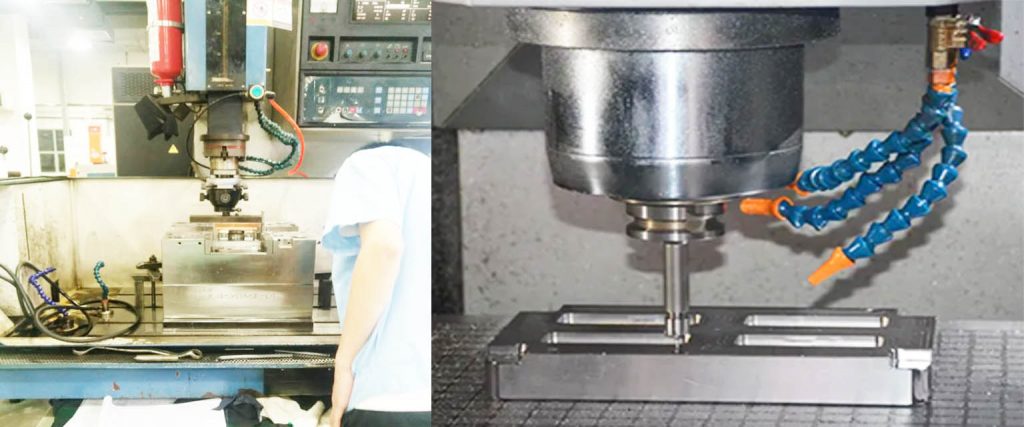
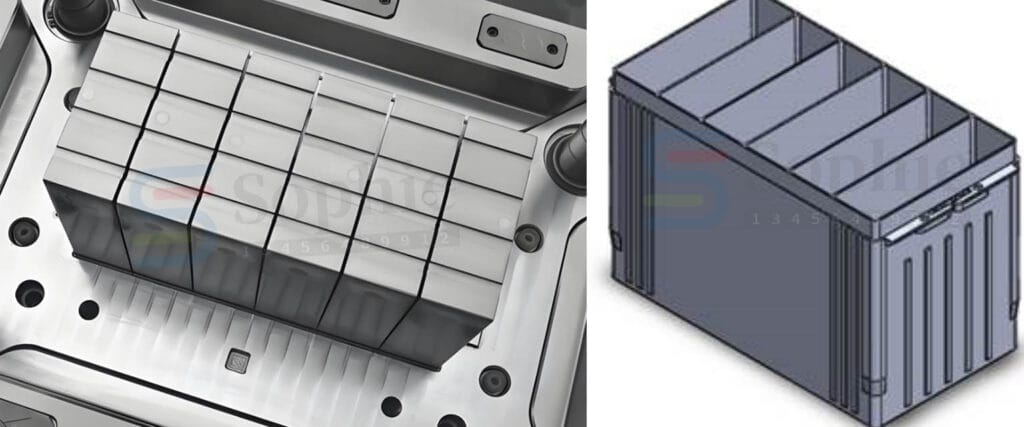
Plastic Battery Case Mould & Battery Container Mould: Engineering Portable Power Solutions
From cordless drills and smartphones to e-bikes and portable power stations, modern life runs on battery-powered devices. The protective enclosures safeguarding these energy systems are manufactured using plastic battery case container mould and plastic battery container mould technologies—specialized tooling that balances precision engineering with mass production economics
Table of Contents
Toggle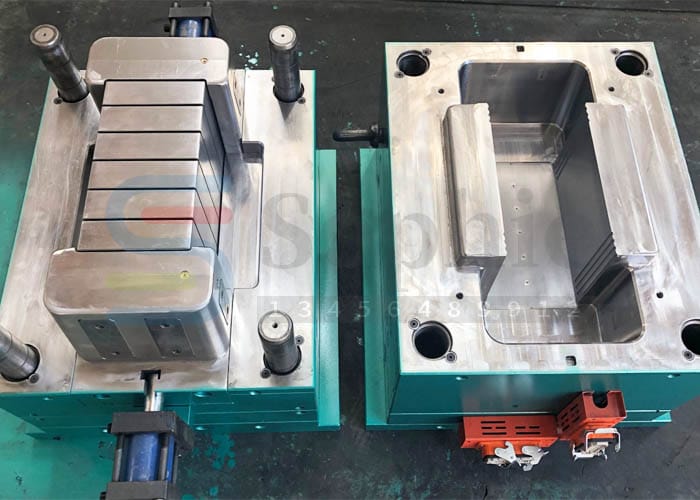
Distinguishing Battery Case from Battery Container Applications
Material Science for Battery Enclosures
| Application | Material | Mold Considerations | Key Properties |
|---|---|---|---|
| Consumer electronics | ABS/PC blend | High polishability, gate hiding | Impact resistance, aesthetic finish |
| Power tools | PP (polypropylene) | Chemical resistant steel | Lightweight, chemical resistance, fatigue resistance |
| Outdoor equipment | PA6+GF (nylon glass-filled) | Wear-resistant cavities | High strength, temperature stability |
| Medical devices | PEEK | High-temperature tooling | Biocompatibility, sterilization resistance |
Precision Requirements
Terminal Integration: Molded-in metal inserts or post-mold assembly features for electrical connections.
Sealing Interfaces: Dimensional accuracy of ±0.01mm-±0.02mm ensures proper gasket compression and IP rating compliance.
Snap-Fit Mechanisms: Living hinges and latch features require draft angles of 2-5 degrees with precise wall thickness control to prevent stress cracking during repeated cycling.
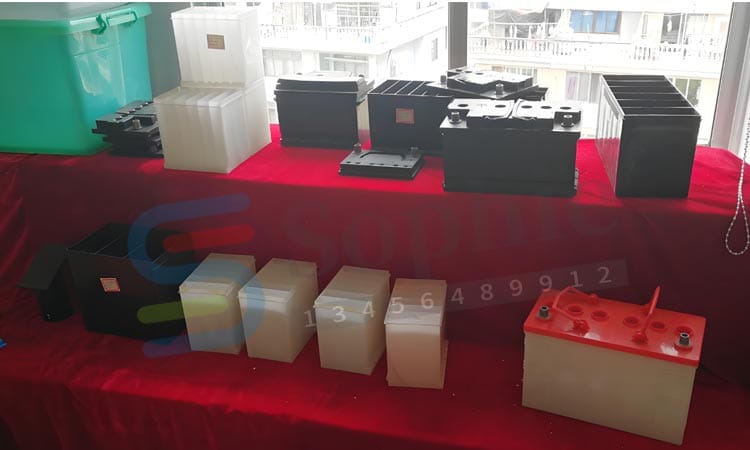
Mold Construction Specifications
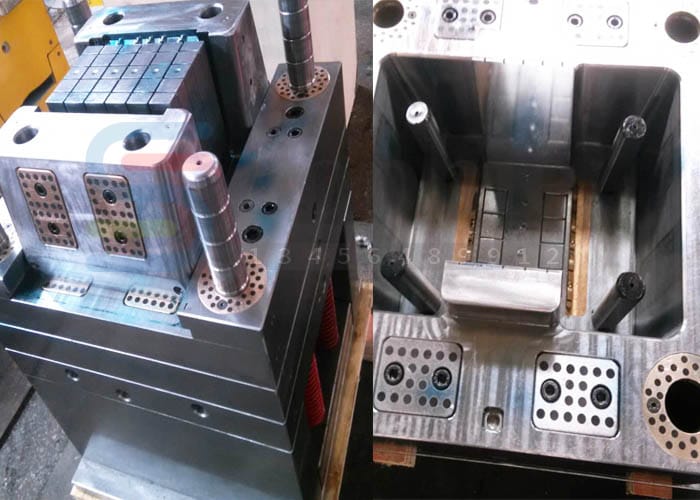
- Mould Steel: S136, NAK80, or H13 (HRC 48-52) achieving 300,000 to 1,000,000 shot lifespans
- Hot Runner Systems: 2-4 tip configurations ensuring balanced filling and minimal gate vestige on visible surfaces
- Ejection Systems: Stripper plates combined with lifter mechanisms for undercut features common in battery compartment designs
- Venting Design: Strategic vent channels preventing air traps during high-speed injection, critical for thin-wall sections
Manufacturing Process Innovations
Insert Molding has revolutionized battery case production by encapsulating metal terminals, interconnect strips, and circuitry directly within the plastic housing during the injection cycle. This eliminates secondary assembly operations, reduces component count, and improves electrical reliability by creating sealed connections impervious to corrosion.
Overmolding (Two-Shot Molding) enables functional integration of soft-touch TPE grips onto rigid battery case substrates, improving user handling while maintaining structural integrity. This process requires rotating platen molds or transfer systems, significantly increasing tooling complexity but delivering premium product differentiation.
Quality Validation for Safety-Critical Applications
- Battery enclosures undergo rigorous qualification protocols:
- Dimensional CMM Verification: Ensuring mating surface flatness and terminal position accuracy
- Environmental Cycling: Thermal shock testing from -20°C to +60°C simulating operational extremes
- Flammability Testing: UL94 V-0 rating verification for materials used in high-capacity lithium-ion packs
- Drop Testing: Impact resistance validation ensuring enclosure integrity during consumer handling
Market Trends & Strategic Considerations
- Miniaturization: Micro-cavitation tooling for wearable device batteries demanding sub-millimeter precision
- Modular Platform Moulds: Single tooling configurations producing multiple case sizes through interchangeable inserts, reducing capital investment for product families
- Sustainable Materials: Bio-based ABS formulations and recycled content integration meeting environmental regulations
- Smart Integration: Mould designs accommodating NFC antenna pockets and LED indicator windows for intelligent battery management systems
Conclusion
The plastic battery case mould and plastic battery container mould represent specialized tooling categories where consumer expectations meet industrial precision. Success requires understanding both the electrical safety requirements of battery systems and the aesthetic demands of consumer products. By investing in high-grade mold steels, optimized venting systems, and advanced molding techniques like insert molding and overmolding, manufacturers can deliver enclosures that protect critical energy systems while enhancing user experience.
Ready to develop precision battery case moulds for your consumer electronics or power tool line? Contact our engineering team for DFM analysis and custom tooling solutions .