How to Precisely Control Electrical Housing Mold Cost and Quality
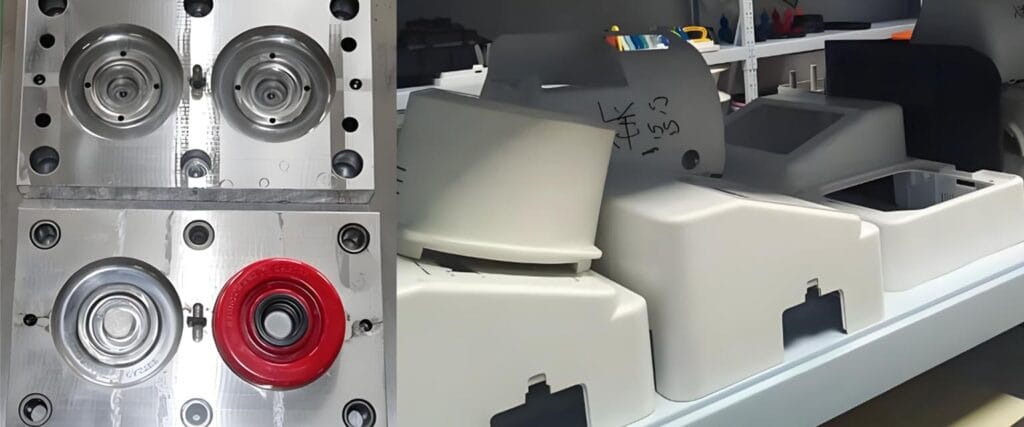
Electrical Housing Mold manufacturing sits at the intersection of electrical safety, mechanical durability, and cost efficiency. Whether you’re producing enclosures for circuit breakers, junction boxes, or industrial control panels, mastering the balance between mold price and product quality determines your market competitiveness. This guide reveals actionable strategies that leading manufacturers use to optimize their Plastic Injection Electrical Housing Injection Mold investments.
Table of Contents
ToggleIn the high-end electromechanical manufacturing sector, a product’s core competitiveness often hinges on the precision and durability of its housing. For buyers seeking excellence, the price of electromechanical housing molds is not the sole consideration; cost-effectiveness and delivery time are equally crucial. WS MOLD, a source manufacturer with 20 years of industry experience, is committed to providing customers with one-stop mold-making and injection molding solutions for precision electromechanical housings.
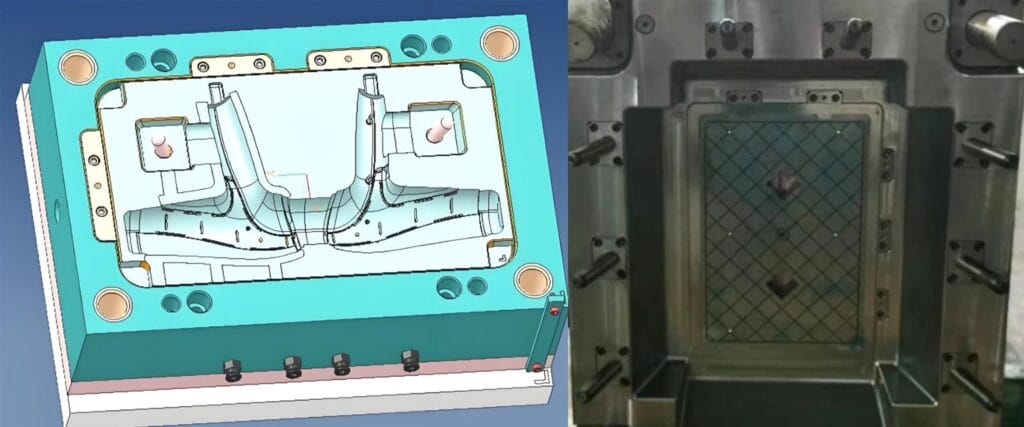
Start with Design for Manufacturability (DFM)
- Wall thickness uniformity: Prevents sink marks and warpage that compromise IP ratings
- Draft angle optimization: Ensures clean ejection without damaging delicate rib structures
- Gate placement strategy: Directs material flow away from electrical contact zones to avoid weld lines
- Cooling channel layout: Reduces cycle time while maintaining dimensional stability for tight-tolerance mounting features
Material Selection Drives Both Cost and Performance
| Application Requirement | Recommended Material | Mold Consideration |
|---|---|---|
| General indoor enclosures | ABS | Standard steel, moderate shrinkage compensation |
| High-heat industrial environments | PBT/GF30 | Hardened steel, elevated mold temperatures |
| Outdoor weather resistance | PC/ASA blend | Corrosion-resistant coatings, precise venting |
| Flame-retardant compliance | PA66-V0 | Specialized venting, longer cooling cycles |
Choose the Right Mold Steel for Your Volume
- P20 steel: 100,000–500,000 shots, prototype to low-volume production
- H13 hardened steel: 500,000–1,000,000+ shots, full production with minimal maintenance
- S136 stainless: Corrosion-resistant for flame-retardant or moisture-sensitive resins
Supplier Vetting: Beyond Unit Price Quotes
In-house CNC, EDM, and wire EDM machining capacity
- Mold flow analysis software and simulation accuracy
- Experience with IP-rated enclosure sealing features
PPAP documentation capability for regulated industries
- Cpk/Ppk process capability studies
- First Article Inspection protocols
- Real-time production progress reporting
- Mold revision turnaround time commitments
- Spare part availability guarantees
Control Processing Variables That Affect Quality
| Parameter | Impact on Housing Quality | Typical Range |
|---|---|---|
| Melt temperature | Surface finish, weld line strength | 230–290°C (material dependent) |
| Injection speed | Fill pattern, air trap prevention | Moderate to high for thin walls |
| Holding pressure | Dimensional stability, sink mark prevention | 60–80% of injection pressure |
| Cooling time | Cycle efficiency, warpage control | 15–40 seconds typical |
Implement Structured Validation Protocols
- T1 sampling: Evaluate dimensional accuracy, surface quality, and functional fit
- Mold revision: Polish vents, adjust cooling, correct dimensions via machining or shimming
- T2 validation: Verify process stability across multiple machine cycles
- Production readiness: Complete PPAP or equivalent documentation, establish capability studies
Long-Term Cost Optimization Strategies
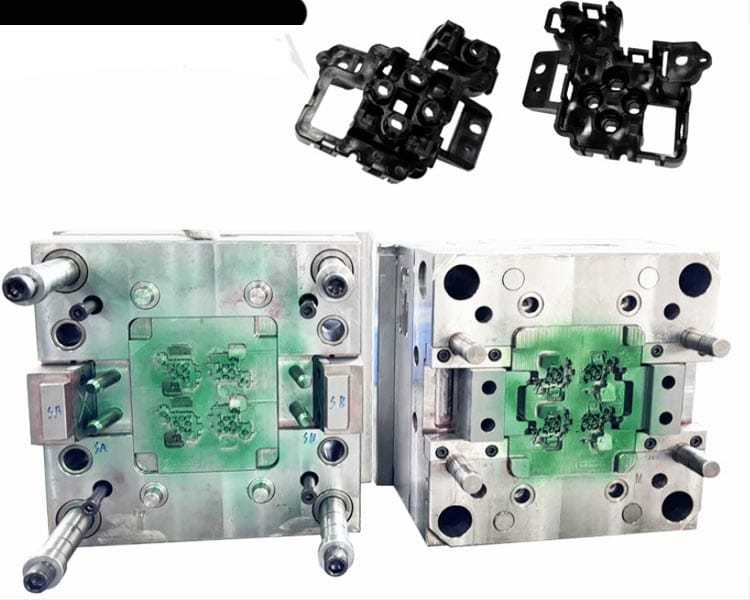
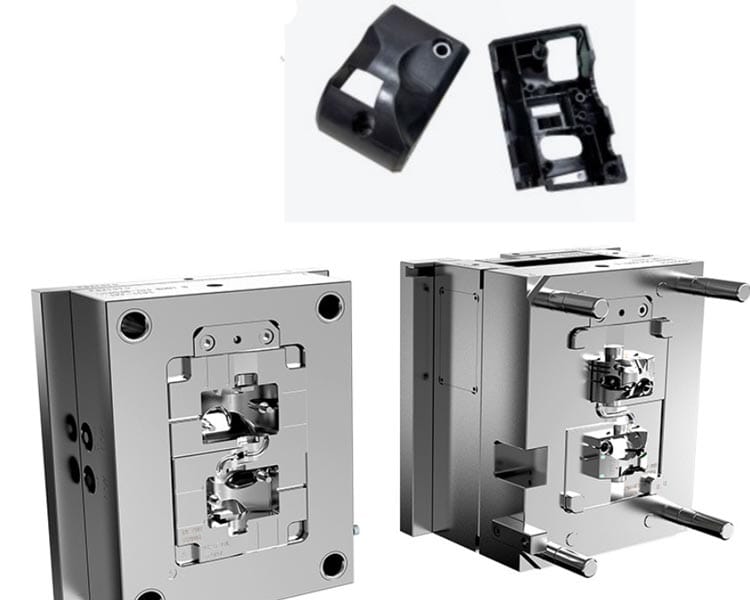
- Multi-cavity layouts: 2-cavity or 4-cavity Electrical Housing Mold configurations amortize tooling investment across higher output
- Hot runner systems: Eliminate cold runner waste in high-volume applications
- Predictive maintenance: Scheduled polishing and component replacement extends Electrical Housing Mold life beyond nominal projections
- Localized cooling optimization: Baffles and bubblers in critical zones reduce cycle time without global mold redesign
Conclusion
We understand that high-end clients need more than just molds; they need guarantees for product implementation. WS MOLD is equipped with precision machining equipment and a professional design team. Whether it’s a complex aerospace mold or a pen mold with stringent appearance requirements, we can achieve a machining accuracy of ±0.01mm. Choosing WS means choosing a technically savvy and reliable partner. We will help your products stand out in the fierce market competition with highly competitive prices for electromechanical housing molds and superior manufacturing processes.