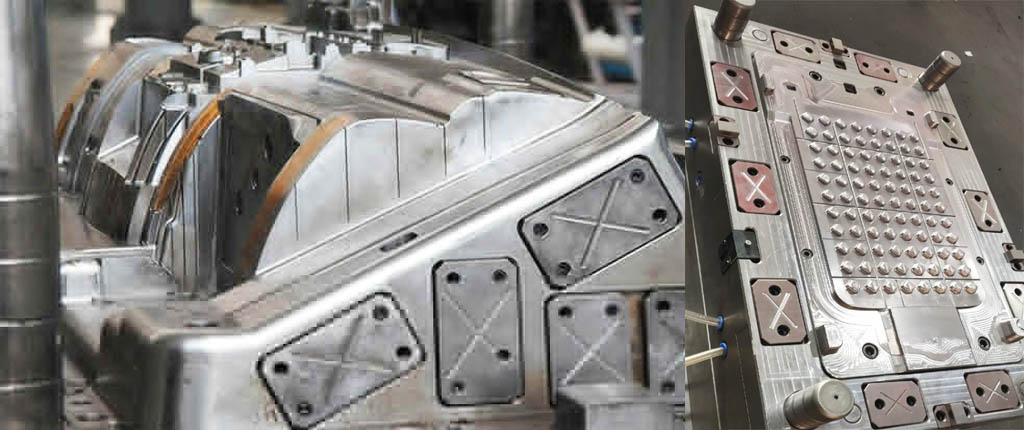
Plastic Electric Meter Box Injection Mould: Engineering Solutions for Power Distribution
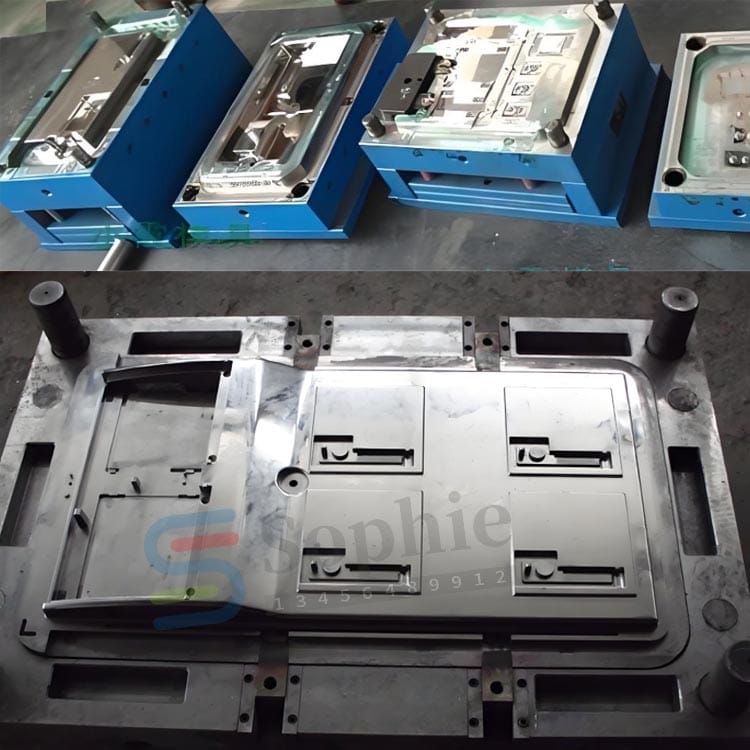
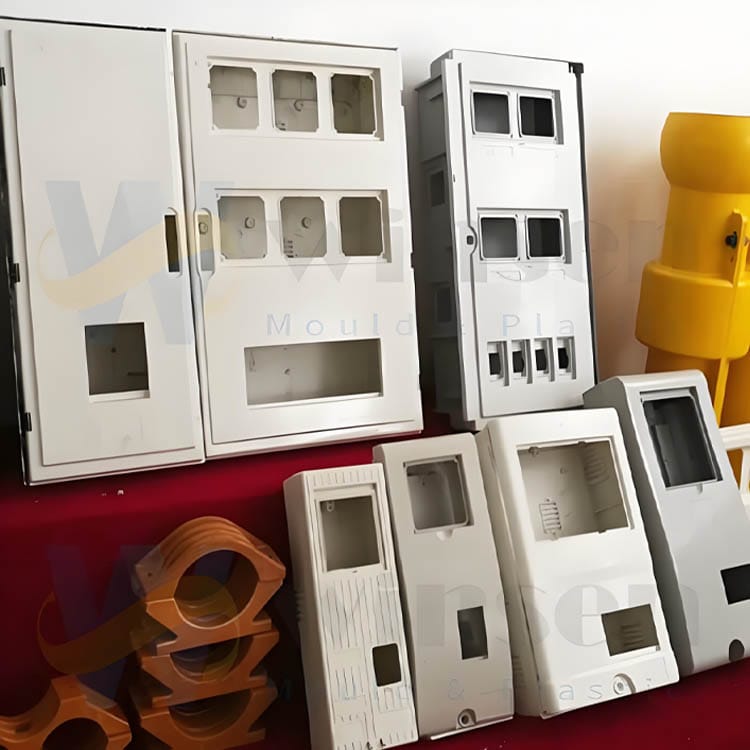
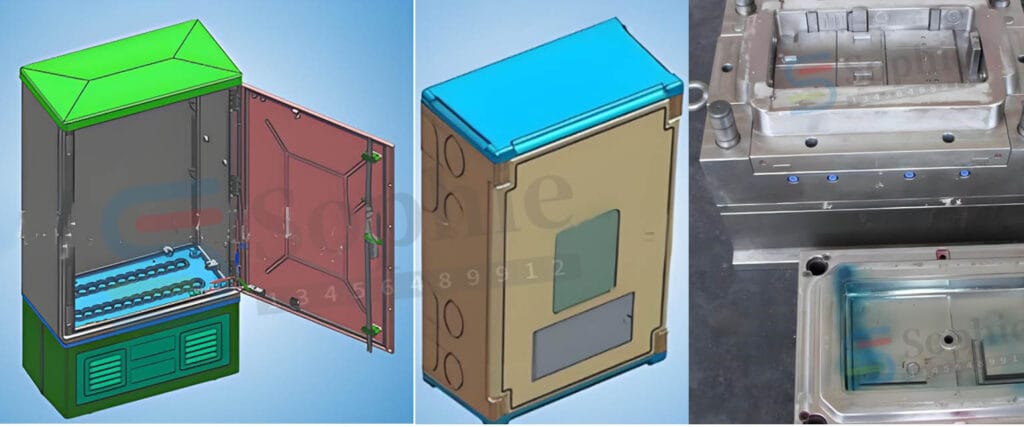
Understanding Meter Box Mould Technologies
Critical Design Specifications
Material Selection Matrix (Electric Meter Box)
| Application | Material | Process | Key Properties |
|---|---|---|---|
| Indoor residential | PC/ABS | Injection molding | Impact resistance, aesthetic finish |
| Outdoor utility | SMC | Compression molding | UV stability, 5x metal lifespan Table of Contents Toggle |
| High-voltage industrial | BMC | Compression molding | Dielectric strength, flame retardancy |
| Railway/transportation | SMC | Compression molding | Vibration resistance, insulation |
Material Selection Matrix (Electric Meter Box)
- Mould Steel: H13 (HRC 48-52) or 718H for high-volume production, offering 100,000 to 1,000,000 shot durability
- Heating Systems: Oil or cartridge heating maintaining 140-180°C for SMC curing, critical for cross-linking thermoset materials
- Moulding Pressure: 10-20 MPa/square cm for compression processes, ensuring complete fiber wet-out and dimensional accuracy
- Ejection Mechanisms: Oil cylinder or central ejection systems accommodating deep draw ratios and textured surfaces
Precision Requirements
- Sealing interfaces: Ensuring IP54+ protection against moisture and dust ingress
- Mounting features: Standardized bracket positions for pole or wall installation
- Transparent windows: Integrated PC viewing ports for meter reading without opening the enclosure
Manufacturing Process Optimization
- Pre-cutting SMC sheets to predetermined weights
- Placing material into heated mould cavities (140-160°C)
- Applying 50-100 bar pressure for complete cavity fill
- Curing for 70-second cycle times per shot
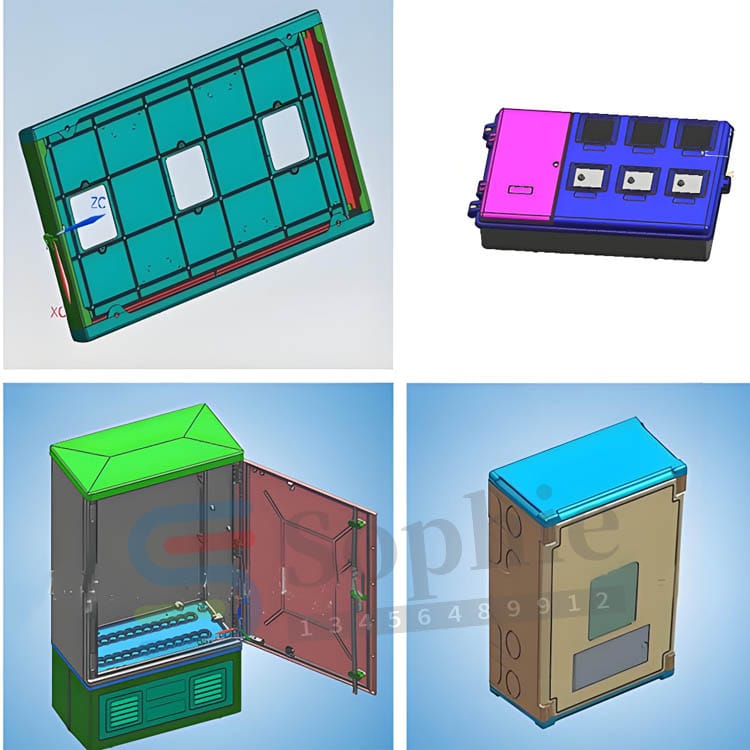
Quality Assurance & Standards Compliance
- ISO 9001 certification: Ensuring consistent process control and traceability
- Electrical safety testing: Dielectric strength verification and flammability rating confirmation
- Environmental cycling: -40°C to +60°C thermal shock testing for outdoor-rated enclosures
- UV exposure validation: 2,000+ hour QUV testing for color stability and material integrity
Market Trends & Innovation
- Smart grid integration: Mould designs incorporating RFID antenna pockets and communication module mounting
- Sustainable materials: Bio-based BMC formulations and recycled content integration
- Modular platform moulds: Single tooling configurations producing multiple box sizes through interchangeable inserts
- Low-tonnage compression: 100-500 ton presses enabling smaller manufacturers to enter the SMC market cost-effectively
Conclusion
Investing in optimized plastic electric meter box injection mould technology requires balancing material science, process engineering, and utility industry compliance. Whether selecting thermoplastic injection for indoor applications or SMC compression for harsh outdoor environments, manufacturers must prioritize mould steel quality, thermal management, and simulation-driven design validation. As power distribution infrastructure modernizes globally, mould makers delivering precision tooling for electrical enclosures will capture expanding market opportunities in both developed and emerging economies.
Ready to develop precision meter box moulds for your utility infrastructure projects? Contact our engineering team for material selection guidance, DFM analysis, and custom tooling solutions tailored to IEC and UL enclosure standards.